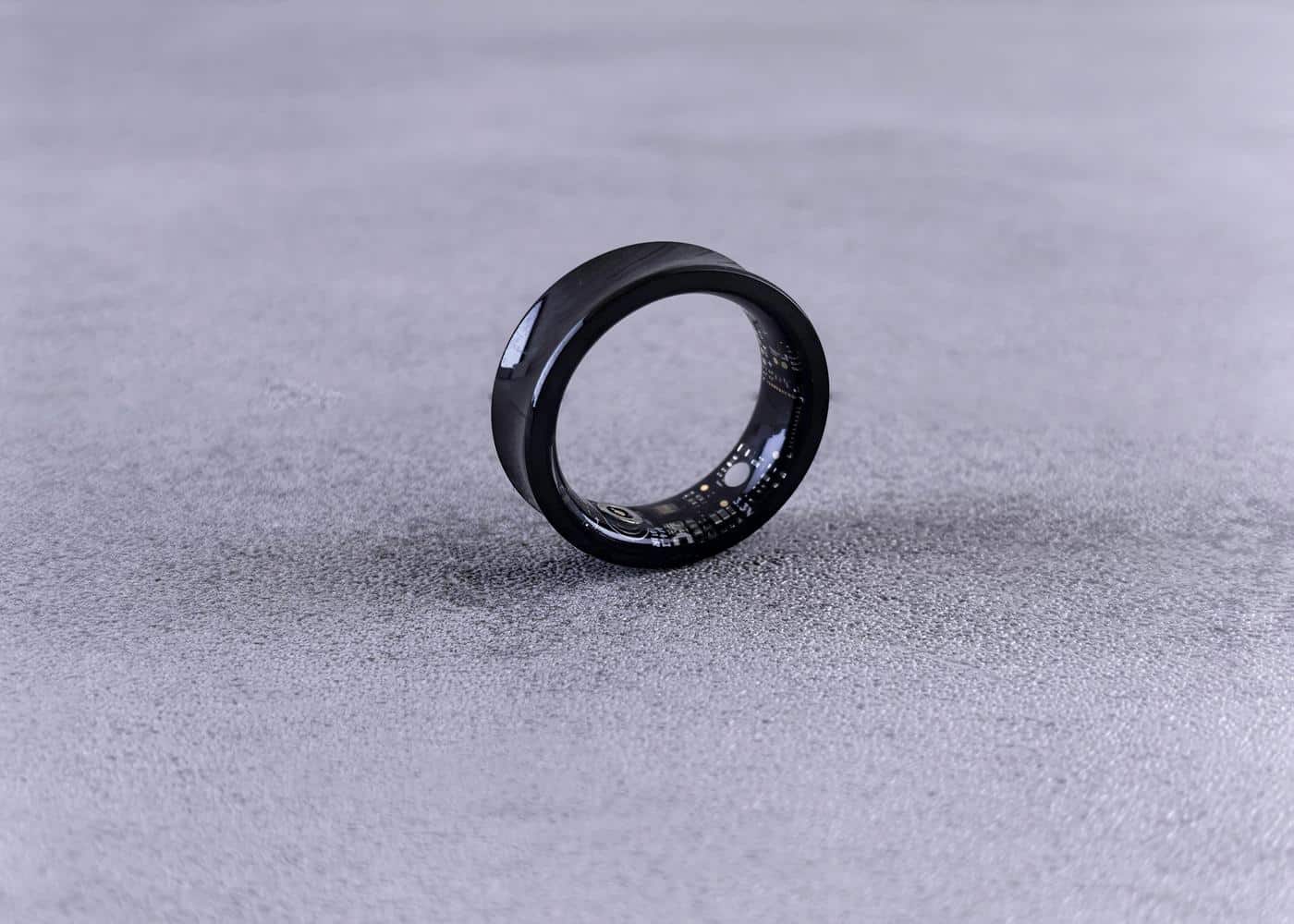
8 Best Bevel Alternatives in 2026: Free, Apple Watch and Android Options
Tech
Key Findings
Bevel remains one of the best-value options for iPhone users because Recovery, Sleep, Strain, Stress, Nutrition, Strength Builder and other core features are free. Athlytic is the closest app-based alternative for focused Apple Watch recovery and training analysis, while Google Health is the most practical choice for Android users. Neura offers a broader approach by connecting wearable, fitness, nutrition and lifestyle data to personalized Health Plans. WHOOP is best for serious performance tracking, Oura excels at sleep, Gentler Streak promotes sustainable activity, Welltory focuses on stress and HRV, and Ultrahuman provides smart-ring insights without a required standard membership.
Updated August 2026
Bevel is one of the most comprehensive health and fitness apps available to iPhone users. It combines recovery, sleep, strain, stress, strength training, nutrition and AI coaching in one polished interface. Most of its core tracking features are now free, making it harder to beat on value.
However, Bevel is not the right choice for everyone. There is still no native Bevel app for Android, and some people prefer a simpler recovery dashboard, a dedicated wearable or a coaching platform that connects more areas of their health.
The best Bevel alternative depends on what you want to replace. Athlytic is the closest alternative for Apple Watch recovery tracking, Google Health is the strongest option for Android and Fitbit users, and Neura is better suited to people who want to connect data from multiple health sources and turn it into adaptive plans. WHOOP, Oura and Ultrahuman are worth considering if you are willing to invest in dedicated hardware.
Best Bevel Alternatives at a Glance
Alternative | Best For | Works With | Price Model | Main Trade-Off |
|---|---|---|---|---|
Neura | Broader health data and adaptive plans | 100+ apps, wearables and services | Free plan; optional Neura iQ | Less focused on one recovery score |
Athlytic | Apple Watch recovery and training | iPhone, Apple Watch and Apple Health | Seven-day trial; approximately $30 yearly | Apple ecosystem only |
Google Health | Android, Fitbit and Pixel Watch users | Android, iOS, Fitbit and Pixel Watch | Free app; Premium from $9.99 monthly | Coaching works best with supported Google devices |
Gentler Streak | Sustainable activity and avoiding burnout | iPhone and Apple Watch | Free download; optional subscription | Less detailed than Bevel |
Welltory | HRV, stress and energy insights | iOS, Android and multiple wearables | Limited free plan; optional Premium | Feature availability differs by platform |
WHOOP | Athletic recovery and training strain | WHOOP wearable, iOS and Android | Hardware included with membership | Requires an ongoing subscription |
Oura | Sleep and overnight recovery | Oura Ring, iOS and Android | Ring purchase plus membership | Less suited to strength-workout tracking |
Ultrahuman | Smart-ring recovery without a required membership | Ultrahuman Ring, iOS and Android | Hardware purchase; no standard membership required | High initial cost |
What to Know Before Replacing Bevel
Before switching, it is worth understanding how much Bevel has changed.
Bevel is no longer just an Apple Watch recovery dashboard. Its free plan includes Recovery, Sleep, Strain, Stress, Energy Bank, Nutrition Tracking, Strength Builder, Journal, Cycle Tracking and Health Monitors. Bevel Pro adds Bevel Intelligence, Health Records and Biological Age for $14.99 per month or $99.99 per year.
The app also supports more than Apple Watch data. iPhone users can connect Garmin, Oura, Google Health and Fitbit, as well as compatible devices that write data to Apple Health. An Apple Watch is therefore no longer essential, although Bevel itself remains part of Apple’s software ecosystem.
This means there are fewer reasons to leave Bevel solely because of price or wearable compatibility. Its core tracking tools are free, and several non-Apple wearables can now supply data.
A Bevel alternative makes more sense if:
You use Android
You want a simpler Apple Watch recovery app
You prefer a screenless wearable or smart ring
You need more detailed athletic analysis
You want a less performance-focused approach to exercise
You primarily care about stress, sleep or HRV
You want to connect health information from a wider range of sources
For a closer look at its current features, pricing and limitations, read our complete Bevel app review.
How We Chose the Best Bevel Alternatives
We compared each option based on platform compatibility, wearable requirements, recovery and sleep features, coaching, price, free access and overall ease of use.
Some options are direct app alternatives that interpret data from a device you already own. Others require dedicated hardware but offer a more controlled tracking experience. We have made that distinction clear so that an inexpensive app is not presented as equivalent to a wearable and annual membership.
6 Best Bevel App Alternatives

Whether you need something that works across different devices, a system deeply focused on workout recovery, or a service that offers proactive lifestyle guidance, you have some great choices.
Here are six of the best Bevel alternatives to consider for your personal routine.
1. Neura: Best for Broader Health Data and Adaptive Plans
Neura is designed for people who want to connect more than workout and recovery scores. It brings information from wearables, fitness apps, nutrition trackers and other health sources into one system, then uses that information to create personalized guidance.
Its health-data integrations include Apple Health, Google Fit, Garmin, Fitbit, Oura, WHOOP, Polar, Suunto, Withings and other popular platforms. This makes Neura useful for people who own several devices or expect to change wearables in the future.
The main difference is how Neura organizes the information. Bevel presents a polished set of scores, dashboards and tracking features. Neura places more emphasis on building personalized Health Plans around goals such as improving sleep, following a workout routine, managing stress or developing healthier eating habits.
Those plans can adapt as connected metrics and progress change. Instead of relying on one Recovery score, Neura can consider a wider combination of sleep, activity, nutrition, stress, habits and personal goals.
Choose Neura if you want broader data consolidation and ongoing plans rather than a dedicated Apple Watch recovery dashboard.
Stay with Bevel if you prefer a mature iPhone app with extensive free fitness, nutrition and strength-training tools.
For a direct breakdown, see our Bevel vs Neura comparison.
2. Athlytic: Best Apple Watch Recovery Alternative
Athlytic is the closest direct Bevel alternative for Apple Watch users. It uses information stored in Apple Health to calculate Recovery, Exertion, Sleep and Training Load without requiring a separate wearable.
The app turns overnight HRV and resting-heart-rate information into a daily Recovery score. That score is then used to suggest a Target Exertion Zone, helping users decide how hard to train.
Athlytic feels more focused than Bevel. It concentrates on recovery, cardiovascular exertion, sleep and workout analysis rather than attempting to cover every part of health. It also processes health information on the user’s device, which may appeal to people who are particularly concerned about cloud storage.
The app offers a seven-day trial and costs approximately $30 per year. However, it is not an Android alternative. Athlytic is built around iPhone, Apple Watch and Apple Health.
Choose Athlytic if you want detailed Apple Watch recovery and workout analysis in a more focused interface.
Stay with Bevel if you also want free nutrition tracking, Strength Builder, journaling, cycle tracking or a broader collection of health dashboards.
Our full Athlytic app review explores its features and limitations in more detail.
3. Google Health: Best Bevel Alternative for Android
Google Health is the most relevant Bevel alternative for Android users, particularly those who own a Fitbit or Pixel Watch.
The free Google Health app brings together fitness, sleep and health information. Google Health Premium adds a Gemini-powered Health Coach that can create personalized workout plans, discuss sleep habits, explain health metrics and send proactive summaries throughout the day.
Google Health Premium currently starts at $9.99 per month or $99 per year in the United States. It is also included with eligible Google AI Pro and Ultra subscriptions.
The Health Coach initially works most completely with supported Fitbit and Pixel Watch devices. Support and feature availability can vary by country and device, so users with Garmin, Samsung or other wearables should check compatibility before subscribing.
Google Health has one clear advantage over Bevel: it is available on Android as well as iOS. It is also deeply connected to the Fitbit and Pixel ecosystems.
Choose Google Health if you use Android, Fitbit or Pixel Watch and want tracking combined with conversational AI coaching.
Stay with Bevel if you use an iPhone and want more detailed strength training, nutrition logging and Apple-focused recovery dashboards.
4. Gentler Streak: Best for Sustainable Training
Gentler Streak takes a calmer approach to fitness tracking. Instead of encouraging users to reach the same target every day, it adjusts its guidance according to recent activity and recovery.
Its central feature is the Activity Path. This shows whether your current training level falls within a suitable range based on your recent workout history. If you have been pushing too hard, the app may encourage a rest day or lighter activity. If your activity drops, it can gently suggest doing more.
This makes Gentler Streak particularly useful for people who become frustrated by rigid streaks, daily rings or aggressive performance targets. It supports a wide range of workouts and presents its advice in a less competitive way than many training apps.
Gentler Streak is available on Apple devices and offers a free download with optional paid features. It is not an Android alternative and does not provide the same breadth of nutrition, strength, AI or health-record features as Bevel.
Choose Gentler Streak if you want a simple way to balance activity and rest without feeling pressured by daily targets.
Stay with Bevel if you want deeper recovery metrics, strength-workout tracking, nutrition or broader health analysis.
5. Welltory: Best for Stress, Energy and HRV
Welltory focuses on how stress and daily habits may be affecting your energy. It uses heart rate variability measurements and information from connected devices to estimate indicators such as Stress, Energy and Health.
One advantage is that Welltory can take an HRV measurement using a compatible wearable, heart-rate monitor or phone camera. This makes it more accessible to people who do not own an Apple Watch.
The app is available on iOS and Android, although its exact features differ between the two platforms. It can connect with services such as Apple Health, Health Connect and Samsung Health, then use available sleep, activity and heart information to generate reports.
Welltory has a limited free version. Premium currently costs $99 per year through its website, with a lifetime option also available.
It is less complete as a workout and nutrition platform than Bevel. Its main strength is helping users examine stress, energy and HRV patterns throughout the day.
Choose Welltory if stress management and HRV are more important to you than strength training or detailed exercise planning.
Stay with Bevel if you want recovery, workouts, nutrition and lifestyle tracking within one consistent interface.
Read our complete Welltory review for a closer look at how its scores work.
6. WHOOP: Best Dedicated Performance Wearable
WHOOP is not simply an app. It combines a dedicated screenless wearable with a membership built around Strain, Recovery and Sleep.
Because WHOOP controls both the hardware and software, it can collect information continuously without relying on an Apple Watch or another company’s health platform. Its Recovery score uses measurements such as HRV, resting heart rate, sleep and respiratory rate to estimate how prepared the user appears to be for physical strain.
WHOOP is particularly popular among athletes who want to understand training load and recovery. The Sleep Planner estimates sleep need based on recent sleep, strain and other factors, while WHOOP Coach helps explain trends and answer questions about the user’s data.
The main disadvantage is cost. WHOOP requires a membership, and standard US renewal pricing for WHOOP One is currently $199 per year. Peak and Life add more health and longevity features at higher prices.
Choose WHOOP if you want dedicated hardware, continuous performance tracking and a strong recovery-focused ecosystem.
Stay with Bevel if you already own a compatible wearable and do not want another device or annual membership.
Our guide to the best WHOOP alternatives compares several other recovery platforms.
7. Oura: Best for Sleep and Overnight Recovery
Oura is a strong Bevel alternative for people who care more about sleep and overnight recovery than workout tracking.
The Oura Ring collects sleep, heart-rate, HRV, temperature and activity information from the finger. The app turns those measurements into Sleep, Readiness and Activity scores, alongside longer-term information about resilience, stress and cardiovascular health.
A ring can be more comfortable to wear during sleep than a watch. This is Oura’s biggest practical advantage. Users can collect overnight information without keeping a screen on their wrist or remembering to charge a watch every day.
Oura requires a ring purchase and membership. Membership currently costs $5.99 per month or $69.99 per year in the United States.
The Oura app is available on iOS and Android, but the platform is less useful than Bevel for detailed strength training and nutrition. Some users combine both systems by using Oura as their primary wearable and importing its information into another health platform.
Choose Oura if sleep quality, overnight recovery and discreet tracking are your priorities.
Stay with Bevel if you want broader workout, nutrition and lifestyle tools without buying another wearable.
Our guide to understanding Oura Ring metrics explains how to interpret its main scores.
8. Ultrahuman: Best Smart Ring Without a Required Membership
Ultrahuman offers another ring-based alternative, with a stronger focus on recovery, circadian rhythms and daily timing.
The Ultrahuman app provides Sleep, Movement and Recovery scores, alongside suggestions relating to caffeine timing, light exposure, exercise and bedtime. Its Circadian Phase Alignment tools aim to help users understand when particular habits may support or disrupt their normal sleep-wake rhythm.
The latest Ultrahuman Ring models can be used without a required standard app membership. That creates a different cost structure from Oura and WHOOP. The initial hardware purchase is substantial, but there is no mandatory monthly fee for the core experience.
Ultrahuman works on iOS and Android. However, like Oura, it is a hardware ecosystem rather than a direct app-only replacement. It also lacks some of Bevel’s strength-training, nutrition and journal tools.
Choose Ultrahuman if you want a smart ring focused on recovery and daily timing without a required recurring membership.
Stay with Bevel if you already own a compatible wearable and want a more complete fitness and health dashboard at no additional cost.
Read our Ultrahuman Ring review or compare the best smart rings without a subscription.


What Is the Best Free Bevel Alternative?
The honest answer is that Bevel Free may still be the best free option for iPhone users.
Its free plan includes nearly all the tracking tools that made the app popular, including Recovery, Sleep, Strain, Stress, Energy Bank, Strength Builder and Nutrition. Most direct competitors either charge for their full recovery experience or offer a more limited set of free features.
Neura Free is a better fit if you want to connect different areas of your health and create a personalized plan around one active goal. Google Health provides free basic tracking on Android and iOS, although its AI Health Coach requires Premium. Welltory also retains limited HRV and health-analysis features after its trial ends.
When comparing free apps, look at what is permanently included rather than the length of the trial. A seven-day trial is useful for testing an interface, but it is not the same as an ongoing free plan.
What Is the Best Bevel Alternative for Android?

Google Health is a strong Bevel alternative for Android users, especially those with a Fitbit or Pixel Watch. It combines activity, sleep and health tracking with optional Gemini-powered coaching.
Welltory is better suited to people who primarily want HRV, stress and energy insights.
Neura is a stronger choice when the goal is to connect data from different wearables, fitness platforms and lifestyle sources.
WHOOP, Oura and Ultrahuman also work with Android, but each requires dedicated hardware. They make more sense for users who want to change their wearable as well as their health app.
Bevel can now import information from several non-Apple devices, but the app itself still requires Apple’s ecosystem. Connecting Garmin or Google Health data does not make Bevel available on an Android phone.
Bevel vs Neura: Which Is Better?
Bevel and Neura are close competitors because both aim to bring fitness, recovery, sleep and wider health information into one connected experience. However, they approach that goal differently.
Bevel is primarily an Apple-focused tracking and analysis app. It provides polished dashboards for Recovery, Sleep, Strain, Stress, Nutrition and Strength Builder. Its free plan is particularly strong for people who want to monitor their daily scores and explore their own health trends.
Neura goes further by turning connected health information into adaptive guidance. It brings together data from wearables, fitness apps, nutrition platforms and other health sources, then uses that information to build personalized Health Plans around the user’s goals, routine and progress.
Rather than treating sleep, exercise, nutrition, stress and recovery as separate scores, Neura helps show how they affect one another. Its plans can then adjust as the user’s metrics, habits and circumstances change. This makes Neura more useful for people who want help deciding what to do next, not simply another dashboard to check.
Choose Bevel if you want a polished Apple-centered app with extensive free tracking features.
Choose Neura if you want an all-in-one health and fitness system that connects information from different sources and turns it into practical, personalized actions.
Our full Bevel vs Neura comparison provides a more detailed breakdown of their features, integrations and coaching approaches.
Final Thoughts: Which Bevel Alternative Should You Choose?
The right Bevel alternative depends on which part of the experience you want to replace. Athlytic offers focused Apple Watch recovery analysis, Google Health is a practical option for Android and Fitbit users, and services such as WHOOP and Oura provide dedicated wearable ecosystems.
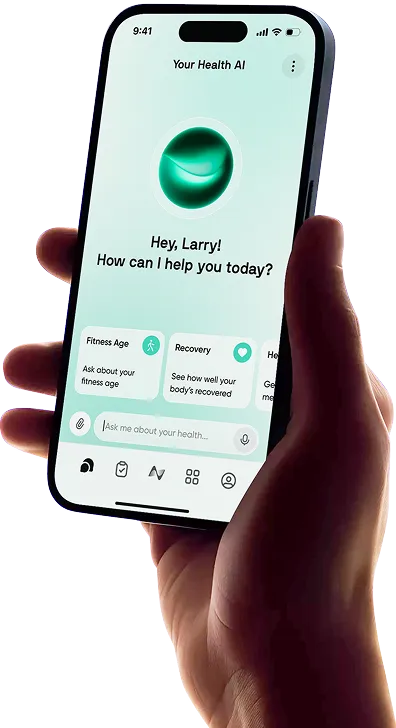
However, Neura is the closest alternative for people seeking another all-in-one health and fitness platform. Like Bevel, it connects information across fitness, sleep, recovery and wider health, but it places greater emphasis on turning that data into personalized actions.
Neura can bring together information from multiple wearables, apps and health sources, showing how areas such as training, nutrition, sleep, stress and daily habits affect one another. It then uses that wider picture to create adaptive Health Plans that respond to the user’s goals, routine and progress.
Bevel remains a strong choice for Apple users who want polished dashboards and extensive free tracking features. Neura is the better fit for people who want their connected health data to guide what they do next.
If you want more than a replacement Recovery score, Neura provides the most complete alternative for building a health and fitness routine around your whole life.
References and Further Reading
Medical disclaimer: The apps and wearables discussed in this article are intended for general wellness, fitness and educational purposes. Recovery, stress, readiness, sleep and Biological Age scores are estimates rather than medical diagnoses. Speak with a qualified healthcare professional about symptoms, abnormal measurements or changes to treatment.
Article FAQ
What is the best alternative to Bevel?
Athlytic is the closest Bevel alternative for Apple Watch users because it provides similar recovery, exertion, sleep and training insights using Apple Health data. Google Health is the better choice for Android and Fitbit users. Neura is suited to people who want to connect broader health data and create adaptive plans, while WHOOP and Oura are stronger options for users willing to buy dedicated hardware.
Is there a free Bevel alternative?
Neura, Google Health and Welltory all provide free access with different limitations. However, Bevel Free remains one of the most comprehensive free options for iPhone users because it includes Recovery, Sleep, Strain, Stress, Strength Builder and Nutrition. Compare which features remain permanently free rather than choosing an app based only on its trial period.
What is the best Bevel alternative for Android?
Google Health is the best Bevel alternative for most Android users, particularly those with a Fitbit or Pixel Watch. Welltory is another Android option for stress, energy and HRV analysis. Neura can connect data from different health and fitness sources, while WHOOP, Oura and Ultrahuman provide Android apps alongside their dedicated wearables.
Is Athlytic better than Bevel?
Athlytic is better for users who want a focused Apple Watch recovery and training dashboard. Bevel is better for users who also want nutrition, strength training, stress, journaling and broader health tracking. Athlytic requires a paid subscription after its trial, while most of Bevel’s core tracking tools are now free.
How does Neura provide predictive health insights?
Neura looks at your ongoing trends in sleep, heart rate, and activity to anticipate your needs for the day ahead. Instead of waiting for you to feel exhausted, the system recognizes early signs of fatigue in your metrics and suggests a modified plan. This helps you stay ahead of your health needs by providing a clear path forward before you even start your morning routine.
Are WHOOP and Oura better than Bevel?
WHOOP is better for users who want dedicated athletic recovery hardware and continuous strain tracking. Oura is better for discreet sleep and overnight recovery tracking. Bevel offers better value if you already own an Apple Watch or another compatible device because its core tracking features are free and no additional wearable is required.