Free 21-Day Cortisol Detox Diet and Meal Plan With Printable PDF
Nutrition
Key Findings
A true cortisol detox relies on consistent daily habits rather than restrictive liquid cleanses. By following a structured 21-day routine focused on nutrient-dense whole foods to stabilize blood sugar, alongside strict sleep hygiene and low-intensity movement, you can effectively support your adrenal glands and regulate your nervous system for long-term stress relief.

Download the Free Neura 21-Day Cortisol Detox Diet Plan PDF
When you experience stress, your adrenal glands release cortisol to help you manage the immediate situation.
However, prolonged stress can lead to chronically elevated cortisol levels, which often result in fatigue, difficulty sleeping, and changes in appetite.
Addressing this requires a consistent approach to your daily habits. A well-structured cortisol detox challenge offers a practical method to stabilize your routine and support your overall well-being over a three-week period.
What is a Cortisol Detox?

A cortisol detox is a targeted lifestyle and dietary protocol designed to lower chronically elevated stress hormones.
Biologically, your body does not need to flush out cortisol like a physical toxin. Instead, a cortisol detox works by temporarily removing internal and external stressors so your adrenal glands have the opportunity to reset.
This involves a structured period of prioritizing specific nutrient-dense foods, strictly regulating your sleep schedule, and practicing active stress reduction.
The goal is to consistently signal safety to your central nervous system, which stops the continuous overproduction of stress hormones and allows your baseline cortisol levels to return to a natural rhythm.
Does a Cortisol Detox Diet Work?
There are no official guidelines for a cortisol detox diet, and evidence for any specific detox protocol remains limited.
Some research suggests that Mediterranean-style eating patterns may support healthier cortisol regulation and cardiometabolic health. These diets emphasize vegetables, fruit, legumes, whole grains, fish, nuts, seeds and olive oil rather than restrictive cleanses or supplements.
The benefits are more likely to come from the overall eating pattern than from one supposedly cortisol-lowering food. Regular, balanced meals may also help you avoid the hunger, poor concentration and energy crashes that can make an already stressful day feel worse.
A cortisol-friendly diet should therefore be viewed as one part of a broader routine, not a quick fix for chronic stress or medically high cortisol.
Foods That May Support Healthy Cortisol Levels
The best place to start is with balanced meals containing protein, fiber-rich carbohydrates, vegetables and healthy fats.
These foods provide nutrients needed for normal energy metabolism, nervous system function and general health. They can also make meals more satisfying, which may help you maintain a consistent eating routine.
Food Group | Specific Foods to Eat | How They Fit the Plan |
|---|---|---|
Protein | Salmon, sardines, eggs, chicken, turkey, tofu, beans, lentils and Greek yogurt | Protein makes meals more filling and supports muscle maintenance and recovery |
Fiber-rich carbohydrates | Oats, quinoa, brown rice, whole-grain bread, beans, sweet potatoes and fruit | These provide sustained energy and are generally more filling than refined carbohydrates |
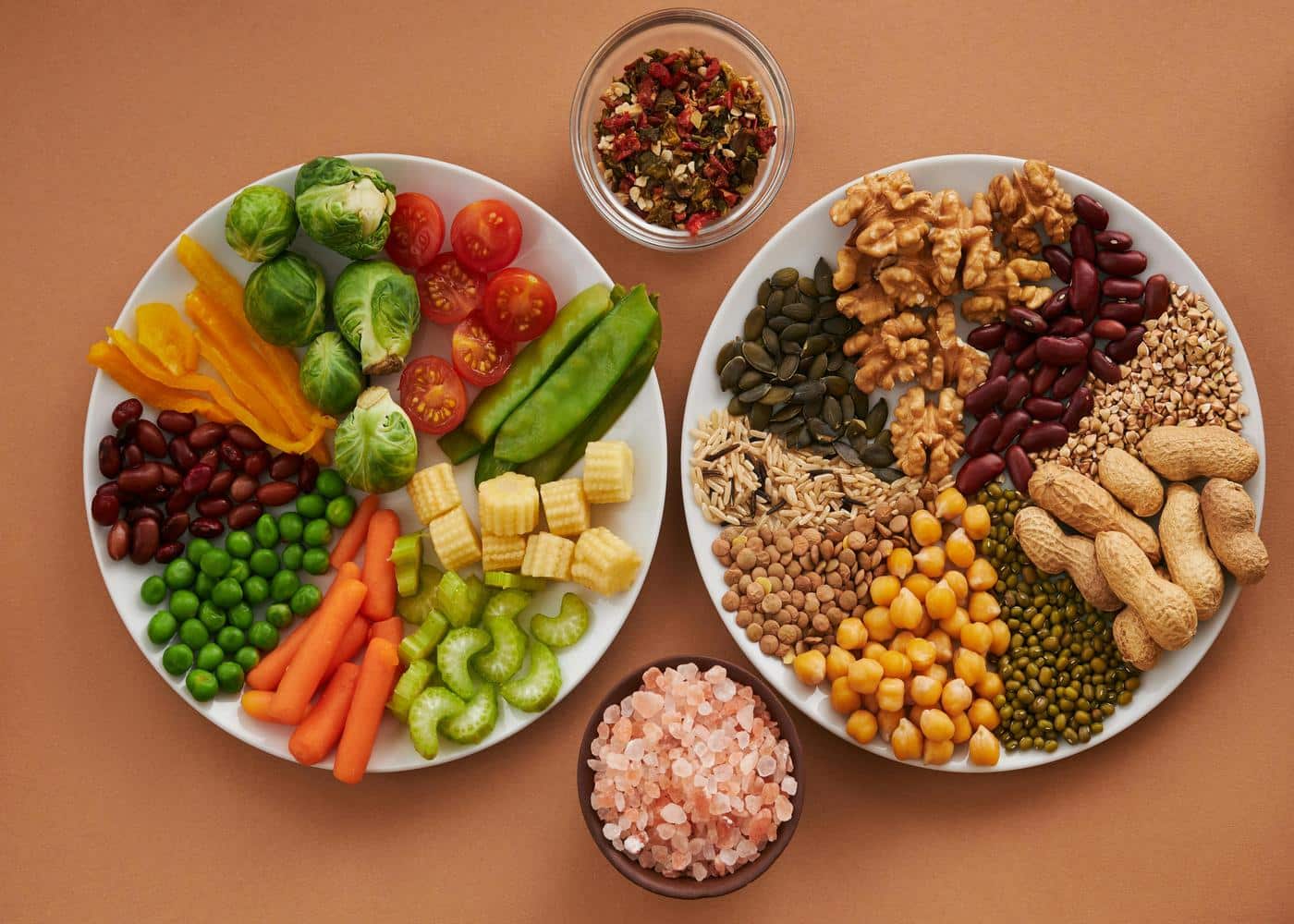
Fruit and vegetables | Berries, oranges, kiwi, peppers, leafy greens, broccoli, tomatoes and carrots | These supply fiber, vitamins, minerals and a wide range of protective plant compounds |
Healthy fats | Olive oil, avocado, walnuts, almonds, chia seeds, flaxseed and pumpkin seeds | Healthy fats add flavor, support nutrient absorption and improve meal satisfaction |
Fermented foods | Plain yogurt, kefir, kimchi, sauerkraut and miso | These can contribute beneficial bacteria and greater variety to your diet |
No single food will lower cortisol on its own. Aim for variety across the week rather than trying to eat large quantities of one particular ingredient.
Foods and Drinks to Limit
You do not need to completely ban sugar, caffeine, bread or other individual foods. An unnecessarily restrictive diet can create more stress and make the plan harder to maintain.
It may still help to reduce:
Sugary drinks and frequent high-sugar snacks
Heavily processed foods that provide little protein or fiber
Heavy or frequent alcohol consumption
Excessive caffeine, particularly later in the day
Long periods without eating if they leave you shaky, irritable or exhausted
Caffeine affects people differently. If coffee does not disrupt your sleep or make you feel anxious, a moderate amount may still fit into the plan. If it does, reduce it gradually rather than stopping abruptly and triggering withdrawal headaches.


Free 21-Day Cortisol Detox Diet Plan

This 21-day cortisol detox meal plan includes breakfast, lunch, dinner and one snack each day. Add a second snack or increase your portions if you need more energy.
The plan does not prescribe a fixed calorie target because nutritional requirements vary considerably. Your age, body size, activity level, health conditions and goals all affect how much food you need.
As a simple starting point, build main meals around a serving of protein, a high-fiber carbohydrate, at least one portion of vegetables and a moderate source of healthy fat. Mix and match meals if there are foods you dislike.
Week 1: Establish Balanced Meals
The first week focuses on straightforward meals with familiar ingredients. Several lunches use leftovers to reduce cooking time and food waste.
Day | Breakfast | Lunch | Dinner | Snack |
Day 1 | Oatmeal with blueberries, walnuts and cinnamon | Grilled chicken and quinoa salad with cucumber, tomatoes and olive oil | Baked salmon with sweet potato and spinach | Plain Greek yogurt with pumpkin seeds |
Day 2 | Scrambled eggs with spinach, whole-grain toast and avocado | Lentil and vegetable soup with whole-grain bread | Turkey meatballs with brown rice and broccoli | Apple with almond butter |
Day 3 | Greek yogurt with berries, oats and chia seeds | Chickpea and avocado whole-grain wrap | Lemon chicken with quinoa and roasted zucchini | Carrots with hummus |
Day 4 | Overnight oats with banana, walnuts and ground flaxseed | Tuna and white bean salad with leafy greens | Tofu and vegetable stir-fry with brown rice | Orange with a small handful of cashews |
Day 5 | Eggs with mushrooms, spinach and whole-grain toast | Leftover lentil and vegetable soup | Lean beef and vegetable skillet with brown rice | Cottage cheese with berries |
Day 6 | Chia pudding made with an unsweetened milk alternative and topped with raspberries | Black bean and quinoa bowl with salsa and avocado | Turkey and brown rice stuffed peppers | Pear with walnuts |
Day 7 | Banana, oat and egg pancakes with berries | Salmon salad using leftover roasted vegetables | Chicken tray bake with carrots, peppers and sweet potato | A small portion of dark chocolate with almonds |
During the first week, concentrate on eating at reasonably consistent times. There is no need to follow the clock rigidly, but regularly going most of the day without eating can make it harder to maintain steady energy.
Week 2: Increase Variety
Week two introduces a wider range of legumes, fish, vegetables and fermented foods while continuing to reuse ingredients.
Day | Breakfast | Lunch | Dinner | Snack |
Day 8 | Oatmeal with diced apple, cinnamon and pumpkin seeds | Turkey and avocado whole-grain wrap | Lentil curry with brown rice and spinach | Plain kefir with berries |
Day 9 | Greek yogurt with berries and no-added-sugar granola | Leftover chicken and quinoa salad | Baked cod with potatoes and green beans | Banana with peanut butter |
Day 10 | Eggs with avocado and whole-grain toast | Black bean and roasted sweet potato bowl | Turkey and vegetable chili | Apple with pumpkin seeds |
Day 11 | Oatmeal with berries and ground flaxseed | Tuna and quinoa salad with cucumber and tomatoes | Chicken fajita bowl with peppers, onions and brown rice | Cottage cheese with pineapple |
Day 12 | Cottage cheese with pineapple and chia seeds | Lentil and vegetable stew | Baked halibut with quinoa and Brussels sprouts | Orange with almonds |
Day 13 | Vegetable omelet with whole-grain toast | Chickpea Greek salad with whole-grain pita | Tofu stir-fry with soba noodles and mixed vegetables | Plain yogurt with berries |
Day 14 | Greek yogurt with oats, kiwi and walnuts | Leftover turkey chili | Salmon with brown rice and steamed bok choy | Cucumber and pepper slices with hummus |
If preparing a new breakfast every morning feels unrealistic, repeat the same breakfast for several days. Consistency is more valuable than forcing unnecessary variety into the plan.
Week 3: Build Sustainable Habits
The final week emphasizes meals that can be adjusted, repeated or assembled from leftovers. The aim is to leave the 21-day plan with a routine you can continue using.
Day | Breakfast | Lunch | Dinner | Snack |
Day 15 | Oatmeal with pear, chia seeds and cinnamon | Chicken and white bean salad | Turkey burger on a whole-grain bun with a side salad | Greek yogurt with walnuts |
Day 16 | Scrambled eggs with spinach and avocado | Quinoa tabbouleh with chickpeas and hummus | Baked cod with potatoes, tomatoes and zucchini | Banana with almonds |
Day 17 | Tofu scramble with whole-grain toast | Turkey and avocado wrap | Black bean chili with brown rice | Cottage cheese with cherry tomatoes |
Day 18 | Mixed berry chia pudding | Salmon and quinoa bowl with leafy greens | Chicken with roasted vegetables and brown rice | Apple with peanut butter |
Day 19 | Greek yogurt with banana, oats and ground flaxseed | Lentil soup with whole-grain toast | Turkey and vegetable stir-fry with brown rice | Dark chocolate with walnuts |
Day 20 | Eggs with mushrooms, tomatoes and whole-grain toast | Tuna and chickpea salad | Ginger salmon with bok choy and quinoa | Kefir with berries |
Day 21 | Vegetable scrambled eggs with whole-grain toast | Grilled chicken, quinoa and mixed green salad | Baked tofu or salmon with barley and roasted vegetables | Orange with pumpkin seeds |
By day 21, you should have a useful collection of breakfasts, lunches and dinners that can be repeated. You do not need to start another strict 21-day cycle. Choose the meals that suited your schedule and use them as the basis of your normal weekly routine.
Cortisol Detox Shopping List
The exact quantities will depend on the number of people you are feeding and the portions you require. Buy fresh produce weekly while keeping grains, beans, nuts and seeds available as pantry staples.
Protein
Stock up on eggs, chicken, turkey, salmon, white fish, canned tuna, tofu, Greek yogurt, cottage cheese, lentils, chickpeas, black beans and white beans.
Whole Grains and High-Fiber Carbohydrates
Choose rolled oats, quinoa, brown rice, barley, potatoes, sweet potatoes, whole-grain bread, whole-grain wraps and soba noodles.
Check the label if you need certified gluten-free oats or noodles.
Fruit and Vegetables
Useful options include berries, bananas, apples, pears, oranges, kiwi, avocado, spinach, mixed greens, broccoli, peppers, onions, tomatoes, cucumber, carrots, zucchini, green beans, Brussels sprouts and bok choy.
Frozen fruit and vegetables are perfectly suitable and can reduce both preparation time and food waste.
Healthy Fats and Pantry Ingredients
Keep olive oil, walnuts, almonds, cashews, pumpkin seeds, chia seeds, ground flaxseed, peanut or almond butter, herbs, spices, low-sodium stock and no-added-sugar salsa available.
Fermented Foods
Plain yogurt and kefir are the easiest fermented foods to include. Kimchi, sauerkraut and miso can also be added if you enjoy them, but they are not required for the plan to work.
Meal Preparation Tips
Choose one or two days each week for basic preparation. Cook a large batch of brown rice or quinoa, roast a tray of vegetables and prepare several servings of chicken, turkey, tofu or beans.
Store components separately so they can be used in salads, grain bowls, wraps and evening meals. You can also double recipes such as lentil soup, turkey chili and black bean chili, then refrigerate or freeze the extra portions.
There is no problem with eating the same breakfast several days in a row. A plan that fits your real schedule is more useful than one that requires constant shopping and cooking.
How to Adapt the Meal Plan
If you have special dietary restrictions or preferences, here are some ways you can adjust your personal cortisol detox diet to meet your needs:
Dietary need | Suggested substitution |
Vegetarian | Replace chicken, turkey and fish with tofu, tempeh, lentils, beans or eggs |
Vegan | Use tofu, tempeh, legumes and unsweetened fortified plant-based yogurt |
Dairy-free | Replace yogurt and cottage cheese with unsweetened soy alternatives |
Gluten-free | Choose certified gluten-free oats, quinoa, brown rice and gluten-free wraps |
Nut-free | Replace nuts and nut butter with pumpkin seeds, sunflower seeds or seed butter |
Fish-free | Use chicken, tofu, beans or lentils and include chia seeds, flaxseed and walnuts |
Anyone who is pregnant, breastfeeding, managing diabetes or kidney disease, recovering from an eating disorder or following a medically prescribed diet should discuss significant dietary changes with a qualified professional.
How to Do a Cortisol Detox: Other Important Tips

Diet is only one part of managing your stress response. Sleep, movement, workload, mental health, illness and medication can all have a greater influence than any individual food.
Maintain a Consistent Sleep Schedule
Cortisol follows a daily rhythm that is closely connected with sleep and light exposure. Going to bed and waking up at relatively consistent times can support that rhythm.
Create a simple wind-down routine during the final hour before bed. Lower the lights, step away from work and choose a calming activity such as reading, stretching or taking a warm shower.
If caffeine interferes with your sleep, move your final coffee earlier in the day or gradually reduce how much you drink.
Choose Movement That Matches Your Recovery
There is no special exercise that releases cortisol from your body. Exercise can temporarily increase cortisol because it places a manageable demand on the body, but regular movement also supports physical health, mood and sleep.
Walking, light resistance training, cycling, swimming, mobility exercises and yoga are all reasonable choices. During particularly stressful or sleep-deprived periods, reducing workout intensity may feel better than forcing yourself through another demanding session.
Practice Active Stress Management
Stress management needs to be something you can actually repeat. Five minutes of slow breathing, a short walk outside, meditation, journaling or speaking with someone you trust can all be useful.
A 2024 systematic review found that stress-management interventions, including mindfulness, meditation and relaxation practices, produced measurable improvements in cortisol outcomes across the included studies. Results varied, however, and no single method worked for everyone.
Stay Hydrated Without Relying on “Cortisol Drinks”
Drinking enough water supports normal physical function, but water does not directly treat high cortisol. There is also little evidence that popular “cortisol cocktails” made with juice, coconut water and salt provide a special cortisol-lowering effect.
Plain water, sparkling water, milk, unsweetened tea and water flavored with fruit are all suitable options.
What About Supplements to Reduce Cortisol?
Magnesium, omega-3, ashwagandha and several other supplements are frequently marketed for cortisol support. Some individual studies have reported promising results, but findings vary depending on the supplement, dose and population studied.
No supplement has been proven to detox cortisol or treat a medical cause of cortisol excess. Supplements can also interact with medications or be unsuitable during pregnancy, with kidney problems, thyroid conditions and other health concerns.
A food-first approach is appropriate for most people. Speak with a doctor or registered dietitian before adding a supplement specifically to change your cortisol levels.
Cortisol Belly Fat: Is It Real?
“Cortisol belly” is a popular term rather than a medical diagnosis. It usually refers to abdominal weight gain that someone believes has been caused by chronic stress or high cortisol.
Prolonged cortisol excess associated with Cushing’s syndrome can change how fat is distributed around the body. However, abdominal fat is much more commonly influenced by overall calorie intake, genetics, age, activity, sleep, alcohol consumption and other hormonal or metabolic factors.
You cannot confirm high cortisol by looking at your stomach, and no diet can specifically target fat loss from one area. The meals in this plan may support a balanced diet and sustainable weight management, but they should not be presented as a quick fix for belly fat.
High Cortisol Symptoms and When to See a Doctor
Fatigue, poor sleep, food cravings, anxiety and weight gain are sometimes described as symptoms of high cortisol. These experiences are real, but they have many possible causes and cannot reliably diagnose a cortisol problem.
More distinctive signs of prolonged cortisol excess can include:
Easy bruising
Wide purple stretch marks
Muscle weakness
A rounder face
Increased fat around the neck or upper body
Thinner arms and legs
High blood pressure
High blood glucose
Irregular menstrual periods
Reduced fertility or sex drive
According to the National Institute of Diabetes and Digestive and Kidney Diseases, doctors may use urine, saliva or blood tests when investigating possible Cushing’s syndrome. Symptoms and wearable data alone are not enough.
Long-term use of glucocorticoid medicines is one of the most common causes of Cushing’s syndrome. These include some medications used for asthma, inflammatory conditions and autoimmune diseases. Never stop a prescribed steroid medication suddenly. Speak with the clinician who prescribed it.
Create a Custom Cortisol Detox Plan With Neura
If a one-size-fits-all cortisol detox diet does not work for you, Neura can build you a custom meal plan that fits your body, preferences, and routine.
With Neura Health Plans, you can create a custom detox meal plan based on the foods you like, your dietary needs, your stress and recovery goals, and how much time you realistically have to cook. Instead of handing you a rigid list of “clean” foods, Neura can suggest balanced meals that support steadier energy, better sleep, and healthier stress regulation.
Your plan might include simple high-protein breakfasts, magnesium-rich snacks, anti-inflammatory dinners, hydration reminders, and caffeine timing guidance, all tailored to your preferences.
The goal is simple: less guesswork, fewer restrictive rules, and a cortisol-friendly meal plan you can actually stick to.

Final Thoughts: 21-Day Cortisol Detox Diet
A general 21-day cortisol detox meal plan can give you a useful starting point, but it cannot account for every dietary preference, allergy, schedule or health goal.
Neura can help you create a personalized meal plan based on the foods you enjoy, your dietary requirements, your stress and recovery goals and how much time you realistically have to cook.
Your plan might include quick high-protein breakfasts, simple packed lunches, evening meals that fit your calorie needs, hydration reminders and guidance around caffeine timing. Neura can also bring nutrition, sleep, activity and recovery information into one place, making it easier to identify patterns in your routine.
The aim is not to diagnose high cortisol or replace medical care. It is to remove some of the guesswork and help you build healthier habits that fit your life.
Create Your Personalized Health Plan With Neura
References and Further Reading
Article FAQ
What is the 21-day cortisol detox?
A 21-day cortisol detox is a short diet and lifestyle plan intended to support healthier eating, sleep and stress-management habits. It does not remove cortisol from the body or medically reset the adrenal glands. The 21-day format simply provides enough structure to practice consistent meals and routines without treating the plan as a permanent restrictive diet.
What specific foods should you eat during a cortisol detox?
Build meals around vegetables, whole fruit, lean protein, legumes, whole grains and healthy fats. Useful choices include oats, berries, eggs, salmon, chicken, tofu, lentils, beans, Greek yogurt, spinach, broccoli, quinoa, brown rice, olive oil, avocado, walnuts and pumpkin seeds. No single food lowers cortisol by itself, so focus on your overall eating pattern.
Is there a free 21-day cortisol detox plan PDF?
Yes. You can download the free printable 21-day cortisol detox diet plan PDF near the top of this article. It contains the full meal plan, weekly shopping guidance, meal-preparation tips and substitutions for common dietary requirements.
How do you know if your cortisol is high?
Symptoms such as tiredness, weight gain and poor sleep are not enough to diagnose high cortisol. A doctor may use late-night saliva, 24-hour urine or blood testing when a cortisol disorder is suspected. Seek medical advice if you experience more distinctive signs such as easy bruising, purple stretch marks, muscle weakness or unexplained changes in fat distribution.
How long does it take to lower cortisol levels?
There is no universal timeline because cortisol is influenced by the underlying cause. Everyday stress and sleep-related changes may improve as your routine improves, but medically high cortisol requires proper diagnosis and treatment. A 21-day diet should be viewed as a habit-building plan, not a promise that cortisol levels will normalize within three weeks.
Can a cortisol detox reduce belly fat?
A balanced diet may support gradual weight management when it helps you maintain an appropriate calorie intake, but it cannot specifically remove abdominal fat. “Cortisol belly” is not a medical diagnosis, and abdominal weight gain has many possible causes. Persistent or unusual changes should be discussed with a healthcare professional.