
Our Top 5 Best Waterproof Smart Rings for Swimming
Tech

Key Findings
Oura Ring 5 is the best overall smart ring for swimming, particularly if you want automatic activity recognition and strong sleep and recovery analysis. RingConn Gen 3 offers up to 14 days of battery life and no subscription, making it a strong choice for uninterrupted health tracking. Samsung Galaxy Ring works best within Samsung Health, while Ultrahuman Ring AIR provides performance and recovery insights without a required monthly fee. Circular Ring 2 can be worn for shorter pool sessions, but its official guidance limits immersion to 30 minutes and advises against saltwater. None of these rings can fully replace a swim watch for detailed performance metrics.
Updated September 2026.
Smart rings are convenient for swimmers because they can remain on your finger before, during and after a workout. You can track your wider activity, sleep and recovery without wearing another screen on your wrist.
However, being safe to wear in the pool is not the same as being a good swimming tracker. Some rings can recognize that you have completed a swim, but most do not record laps, stroke type, split pace or SWOLF in the way a dedicated swim watch can.
Our top choice is the Oura Ring 5 because it combines a strong 100-meter water-resistance rating with automatic swimming recognition and detailed recovery insights. RingConn Gen 3 is the better option if you want longer battery life without a subscription, while Samsung Galaxy Ring is the natural choice for existing Galaxy users.
Best Smart Rings for Swimming at a Glance
Smart Ring | Water Rating | Swimming Guidance | Detailed Swim Tracking | Battery Life | Subscription | Best For |
|---|---|---|---|---|---|---|
Oura Ring 5 | IP68, 100 meters | Pool and open-water swimming permitted | Recognizes swimming, but no detailed lap or stroke data | 6-9 days | Required for full insights | Best overall |
RingConn Gen 3 | IP68 and 10 ATM, 100 meters | Suitable for normal swimming | No dedicated lap, stroke or pace metrics | 11-14 days | Not required | Battery life and value |
Samsung Galaxy Ring | IP68 and 10 ATM | Pool and shallow-water use, but regional guidance differs | No detailed swim metrics from the ring | Up to 7 days | Not required | Samsung Galaxy users |
Ultrahuman Ring AIR | Water resistant to 100 meters | Swimming permitted for up to 30 minutes continuously | No dedicated lap or stroke analysis | 4-6 days | Not required for core features | Recovery without a subscription |
Circular Ring 2 | IP68, 50 meters | Swimming permitted for up to 30 minutes; saltwater discouraged | No detailed swim metrics | Up to 7 days | No forced subscription | Shorter pool sessions |
If avoiding another monthly fee is important, compare the wider features of RingConn, Ultrahuman and Samsung in our guide to the best smart rings without a subscription.
Are Smart Rings Waterproof?

Most leading smart rings are marketed as waterproof or water resistant, but those terms do not mean that every ring can be used in every aquatic environment.
An IP68 rating means the device is protected against dust and can withstand immersion beyond one meter under conditions specified by the manufacturer. Those conditions are important. One IP68 ring may be tested to 50 meters for 30 minutes, while another may be rated to 100 meters.
ATM ratings measure resistance under static laboratory pressure:
5 ATM means the device was tested at pressure equivalent to approximately 50 meters of water.
10 ATM means it was tested at pressure equivalent to approximately 100 meters.
These figures are not recommended diving depths. Movement through the water, high-pressure jets, impacts, rapid temperature changes, chlorine and salt can place additional strain on a device.
Before swimming with any smart ring, check whether its manufacturer specifically permits:
Pool swimming
Open-water swimming
Saltwater exposure
Diving
Hot tubs, steam rooms and saunas
Continuous immersion beyond 30 minutes
Water resistance can also deteriorate after impacts, scratches or normal wear. A rating printed on the product page should not be treated as a lifetime guarantee.

The Best Waterproof Smart Rings for Swimming
For swimmers, choosing the right smart ring comes down to a few practical considerations that directly affect comfort, durability, and long-term reliability in the water.
1. Oura Ring 5: Best Smart Ring for Swimming Overall
Oura Ring 5 is the strongest all-round option for swimmers who want to connect their workouts with sleep, readiness and recovery.
The ring is rated IP68 and water resistant to 100 meters. Oura says it can be worn while swimming, kayaking, paddleboarding and completing other recreational water activities, although it is not designed for diving. Oura also recommends rinsing the ring with fresh water after pool or saltwater exposure. Oura Ring 5 water guidance
Its biggest advantage over most competing smart rings is automatic swimming recognition. When Oura detects a swim, it can add the activity without requiring you to remember to start a workout.
This is still not the same as full swim tracking. Oura does not provide the detailed lap count, stroke classification, pace, splits or SWOLF data available from a Garmin, Apple or COROS swim watch. It is better at showing how a swimming routine fits into your overall activity and recovery.
After a swim, Oura can help you examine changes in:
Readiness
Resting heart rate
Heart rate variability
Sleep quality
Activity balance
Recovery time
Oura Ring 5 typically lasts between six and nine days, depending on ring size, settings and usage. It requires an active membership to access its complete analysis and long-term insights. Oura Ring 5 specifications
Compared with Oura Ring 4, the newer model is smaller, thinner and more comfortable for continuous wear. Our Oura Ring 5 vs. Oura Ring 4 comparison covers the other differences.
Choose Oura Ring 5 if: You want the best combination of swimming recognition, sleep analysis and post-workout recovery insights.
Consider another ring if: You do not want to pay for an ongoing membership or need detailed lap and stroke data.
If you already use Oura, our guide to understanding Oura Ring data explains how to interpret its Readiness, Sleep and Activity scores.
2. RingConn Gen 3: Best for Battery Life and No Subscription
RingConn Gen 3 is a strong alternative for swimmers who want continuous sleep and health tracking without adding another monthly subscription.
It carries IP68 and 10 ATM ratings, with water resistance to 100 meters. This makes it suitable for normal swimming and everyday water exposure within RingConn’s guidance. RingConn Gen 3 specifications
Battery life is the major attraction. RingConn lists approximately 10 to 12 days with vibration alerts enabled and 11 to 14 days with vibration disabled. That reduces the likelihood of losing overnight recovery data because the ring needed to be charged.
RingConn Gen 3 monitors metrics such as:
Heart rate and HRV
Blood oxygen
Respiratory rate
Skin temperature
Stress
Steps and activity
Sleep duration and stages
Vascular health trends
However, RingConn is not a dedicated swimming computer. It does not advertise detailed lap counts, stroke detection, split pace or other pool-performance metrics. Its value for swimmers comes from remaining on your finger and contributing to the wider picture of your sleep, stress and recovery.
RingConn also does not require a subscription for its principal health features. This gives it a lower long-term cost than Oura, particularly for someone who wants passive tracking rather than extensive coaching.
Choose RingConn Gen 3 if: You want long battery life, broad health monitoring and no required subscription.
Consider another ring if: Automatic swimming recognition is important or you want more developed workout and recovery guidance.
RingConn is also one of the stronger options for people interested in continuous cardiovascular trends. You can compare its wider capabilities in our guide to the best smart rings for heart health.
3. Samsung Galaxy Ring: Best for Samsung Galaxy Users
Samsung Galaxy Ring makes the most sense for swimmers who already use a compatible Galaxy phone, Samsung Health and possibly a Galaxy Watch.
The ring is rated IP68 and 10 ATM. Samsung states that it was tested in fresh water at pressure equivalent to 100 meters and in separate IP68 immersion tests. Its product information permits shallow-water activities such as pool and ocean swimming, provided the ring is rinsed and dried afterward. Samsung Galaxy Ring specifications
However, Samsung’s advice varies by region. Its Gulf support page says pool and beach use are not recommended because chlorine and saltwater may affect the ring. Galaxy Ring owners should therefore check the current support guidance for the market in which their ring was purchased.
The ring can monitor daily activity, sleep, heart rate and skin temperature. Samsung Health uses these measurements to generate features such as Energy Score and personalized wellness tips.
Galaxy Ring does not provide the detailed swimming metrics associated with a Galaxy Watch. A practical Samsung setup is to use a Galaxy Watch for lap counting and live workout data, while allowing the Galaxy Ring to contribute to sleep and recovery analysis.
Battery life reaches up to seven days for larger ring sizes, although smaller sizes may last closer to six days. There is no required subscription for the core Samsung Health experience.
Choose Samsung Galaxy Ring if: You already use Samsung Health and want your ring, phone and watch data in one ecosystem.
Consider another ring if: You use an iPhone, want longer battery life or prefer consistent global swimming guidance.
4. Ultrahuman Ring AIR: Best Subscription-Free Recovery Ring
Ultrahuman Ring AIR is aimed at people who want sleep, movement, recovery and circadian-health insights without a compulsory monthly fee.
Ultrahuman rates Ring AIR for water resistance to 100 meters and permits swimming, showering and other water activities. However, the company advises against leaving it continuously submerged for more than 30 minutes. Ultrahuman Ring AIR water guidance
That time limit makes Ring AIR more suitable for a typical pool workout than a long open-water session.
Its main measurements include:
Sleep and sleep stages
Resting heart rate
HRV
Skin temperature
Blood oxygen
Movement
Recovery patterns
Ultrahuman places more emphasis on performance and circadian timing than many competing rings. Features such as Movement Index, Sleep Index and recovery insights can help swimmers understand whether training volume is supporting or disrupting their wider routine.
The ring does not provide full lap, stroke or pace analysis. It is most useful before and after the workout rather than as a source of live swimming data.
Battery life is approximately four to six days. There is no recurring subscription for accessing the ring’s core data, although optional paid services and PowerPlugs may be available.
Ultrahuman has also announced Ring PRO, but it is currently listed for pre-order and its official product page does not publish a water-resistance specification. Until that changes, Ring AIR remains the Ultrahuman model with clearly documented swimming guidance.
Read our complete Ultrahuman Ring review for a closer look at its recovery, movement and sleep features.
Choose Ultrahuman Ring AIR if: You want performance-focused recovery analysis without a required subscription.
Consider another ring if: You regularly swim for longer than 30 minutes or want the longest possible battery life.
5. Circular Ring 2: Best for Shorter Pool Sessions
Circular Ring 2 offers a broad range of health features, including sleep, recovery, stress, activity, ECG spot measurements and vibration-based alerts.
Circular describes Ring 2 as IP68 and permits immersion to 50 meters for a maximum of 30 minutes. Its official guide says it can be worn while swimming but does not recommend saltwater use. Circular Ring 2 user guide
This makes it a reasonable option for shorter freshwater or pool sessions, but a weaker choice for long-distance and open-water swimmers. Anyone using it in a chlorinated pool should rinse and dry both the ring and finger afterward.
Circular Ring 2 does not offer detailed lap or stroke tracking. Its appeal comes from features outside the water, including recovery analysis, sleep tracking, health alerts and its vibration-based smart alarm.
Battery life reaches up to seven days, and Circular describes the ring as having no forced subscription.
Choose Circular Ring 2 if: You want its health and vibration features and only plan to complete shorter pool sessions.
Consider another ring if: You regularly swim in saltwater, remain in the water for more than 30 minutes or want a stronger swimming-specific experience.
Can Smart Rings Track Swimming?

Smart rings are currently better at supporting a swimming routine than measuring the swim itself.
Depending on the model, a ring may recognize that a swimming session took place, estimate general activity or allow the workout to be added manually. It can then relate that activity to later changes in sleep, resting heart rate, HRV and recovery.
Most smart rings do not provide:
Reliable lap counting
Stroke-type detection
Pool-length adjustment
Split pace
SWOLF
Real-time distance
On-screen heart-rate zones
Live workout guidance
Underwater optical measurements can also be affected by ring fit, movement, water between the sensor and skin and the force of each stroke. Calorie and heart-rate estimates should not be treated as exact.
For many swimmers, the best setup is to use a watch for the workout and a ring for comfortable sleep and recovery tracking. This gives you the detailed training information from the watch without requiring you to sleep with it.
Our comparison of the best recovery and readiness score trackers explains how rings, watches and fitness bands convert sleep and physiological data into daily scores.
Smart Ring vs. Swim Watch
Feature | Smart Ring | Swim Watch |
|---|---|---|
Comfortable overnight wear | Excellent | Varies |
Sleep and recovery analysis | Usually a major strength | Available on many models |
Automatic swimming recognition | Available on selected rings | Common |
Lap counting | Usually unavailable | Common |
Stroke detection | Usually unavailable | Available on many swim watches |
Pace and splits | Usually unavailable | Common |
Real-time display | No | Yes |
Open-water GPS | No | Available on selected models |
Battery life | Usually 4-14 days | Varies considerably |
Best use | Recovery and continuous health trends | Swimming performance and workout analysis |
Choose a smart ring if sleep, recovery and comfortable continuous wear are your priorities. Choose a swim watch if you need to improve pacing, count lengths or analyze technique.
Using both can provide the most complete picture, provided their data is not duplicated across connected health platforms.
How Neura Helps Swimmers Use Smart-Ring Data
A smart ring may tell you that your recovery score changed after a difficult session, but that is only one part of the picture. The change could also be related to sleep, stress, nutrition, another workout or a wider shift in your routine.
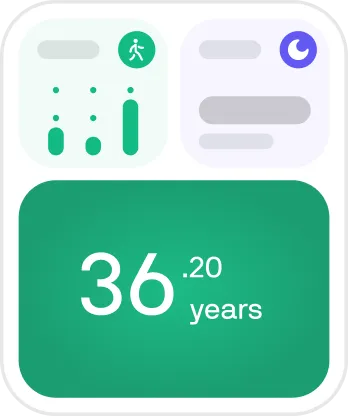
Neura Health is designed to bring those separate sources together. Through Neura’s health-data integrations, you can connect compatible rings, watches, fitness platforms and health apps instead of reviewing each one in isolation.
This means swimming data from a watch or workout platform can be considered alongside sleep and recovery information from a smart ring. Neura can then help you explore questions such as:
Does swimming later in the evening affect your sleep?
Are longer sessions followed by lower recovery?
Does your HRV respond differently to intervals and easy swimming?
Are you recovering better when nutrition and hydration are more consistent?
Is your current weekly training load sustainable?
Neura does not turn a smart ring into a lap counter. Its role is to help you consolidate health data and understand how different measurements relate to your goals.
Your connected information can also support personalized Neura Health Plans, allowing training and recovery guidance to respond to changes in your wider routine.
This is where wearable data becomes more useful. Rather than collecting disconnected scores, you can begin turning wearable metrics into personalized insights and clearer decisions.
How to Protect Your Smart Ring After Swimming
Even a highly water-resistant ring benefits from basic care.
Rinse it with fresh water after swimming in a chlorinated pool or the sea, then dry the ring and your finger thoroughly. Moisture trapped between the ring and skin can cause irritation, particularly when the ring is worn tightly.
Avoid diving, high-pressure water, fast-moving water sports and extended immersion unless the manufacturer explicitly approves them. You should also remove the ring if it has been damaged or if its outer shell has separated.
A correct fit is particularly important in water. Cold temperatures can make fingers contract, increasing the risk of losing a loose ring. Conversely, exercise and heat can cause swelling and make a tight ring uncomfortable.
Finally, dry the ring completely before placing it on a charging dock or inside a charging case. The ring may be water resistant, but its charger usually is not.
Final Thoughts: What Is the Best Smart Ring for Swimming?
Oura Ring 5 is the best smart ring for swimming overall. It has a strong 100-meter water-resistance rating, recognizes swimming automatically and provides some of the most developed sleep and recovery insights available from a ring.
RingConn Gen 3 is the better-value option if long battery life and no subscription matter more than automatic swim recognition. Samsung Galaxy Ring is best for people already using Samsung Health, while Ultrahuman Ring AIR is a strong subscription-free choice for recovery and performance insights.
Circular Ring 2 can handle shorter swimming sessions, but its 30-minute immersion limit and saltwater warning make it less suitable for frequent or open-water swimmers.
Whichever ring you choose, do not expect it to replace a swim watch. Smart rings are most valuable for understanding what happens around your training: how you sleep, how well you recover and whether your overall routine is moving in the right direction.
By connecting ring data with your workouts and wider health information, Neura can help you understand your health data and decide what to do with it.
References and Further Reading
Wearable measurements and recovery scores are intended for general wellness and fitness purposes. They should not be used to diagnose a medical condition or replace advice from a qualified healthcare professional.
Article FAQ
Are smart rings waterproof?
Many smart rings are water-resistant enough for swimming, but the exact limits vary. IP68 does not represent one universal depth or duration because the manufacturer defines the test conditions. Check whether the manufacturer explicitly permits swimming, saltwater exposure and extended immersion before entering the water.
What is the best smart ring for swimming?
Oura Ring 5 is the best overall smart ring for swimming because it is water resistant to 100 meters, automatically recognizes swimming and provides detailed sleep and recovery analysis. It does not record the full lap, stroke and pace data available from a dedicated swim watch.
Does Oura Ring track swimming?
Yes. Oura Ring 5 can automatically recognize swimming and add it as an activity. However, it is not a full swimming computer and does not provide detailed lap counts, stroke analysis, SWOLF or real-time pace.
Can you swim with RingConn Gen 3?
RingConn Gen 3 is rated IP68 and 10 ATM, with water resistance to 100 meters. It can therefore be worn during normal swimming within the manufacturer’s guidance. It does not provide the detailed lap and stroke metrics of a swim watch.
Is the Samsung Galaxy Ring waterproof?
Samsung Galaxy Ring has IP68 and 10 ATM water-resistance ratings. Samsung permits shallow-water swimming in some regional guidance, while other regional support pages advise against pool and beach use. Check the guidance for the country in which your ring was purchased and rinse it with fresh water after exposure to chlorine or salt.
Can you swim with an Ultrahuman Ring?
Ultrahuman says Ring AIR can be worn while swimming and is water resistant to 100 meters. However, the company recommends limiting continuous immersion to 30 minutes. It is therefore better suited to shorter swimming sessions than long open-water workouts.