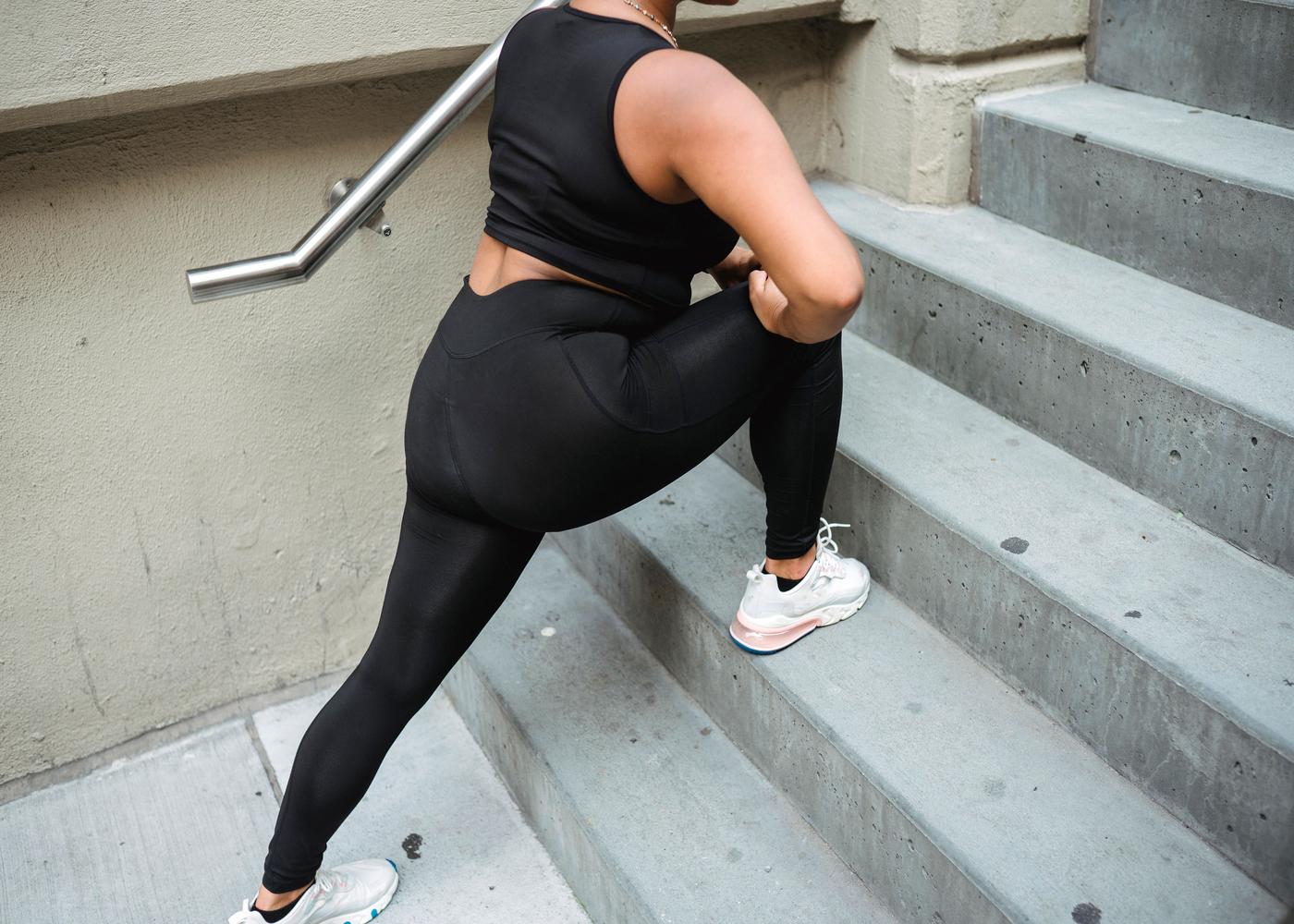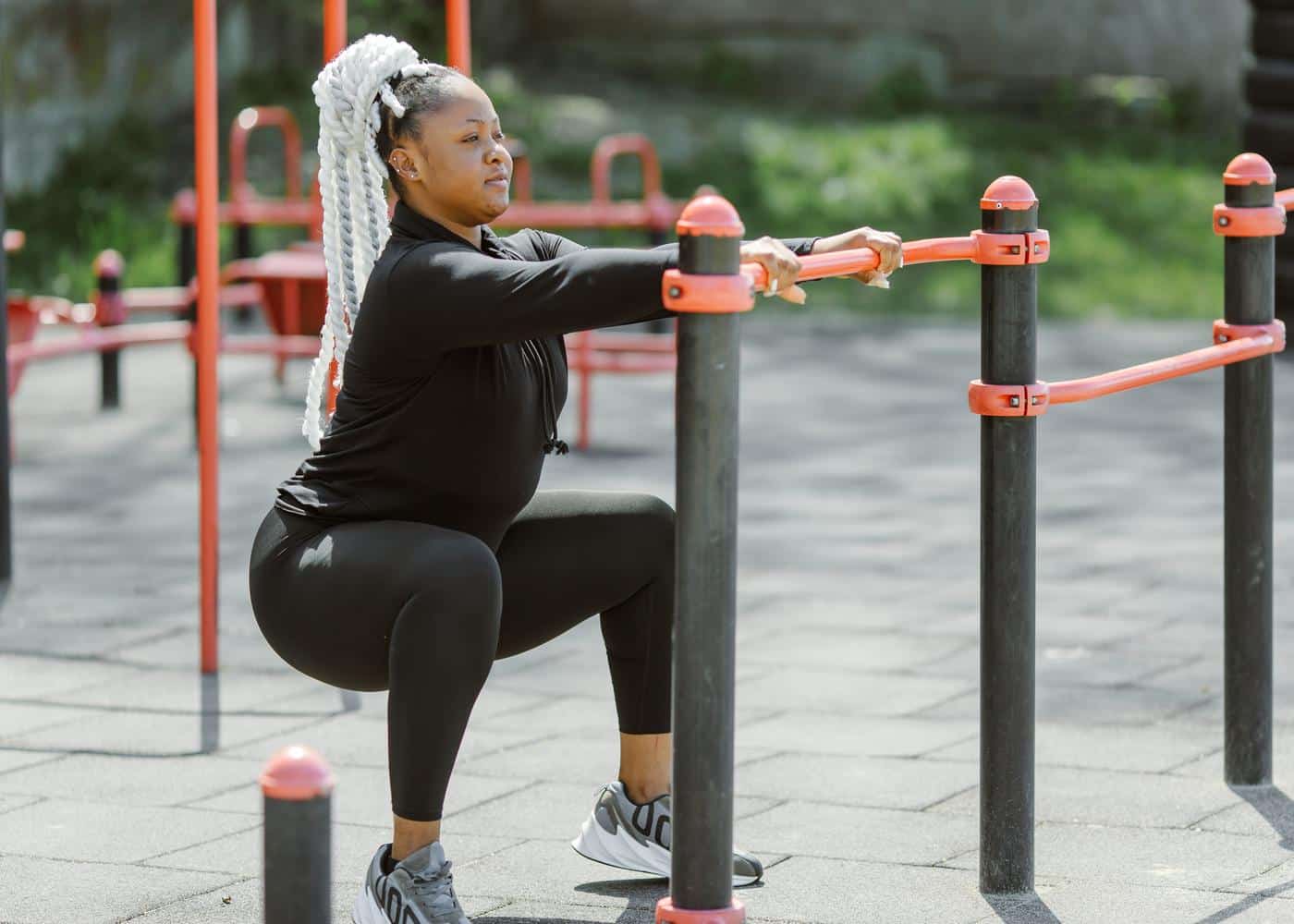
28-Day Strength Training Plan for Women Over 40
Fitness

Key Findings
Lifting weights in your forties builds muscle, strengthens bones, and supports your metabolism. A structured routine improves your daily energy and helps you maintain a healthy body composition over time. You can get results using only basic equipment by focusing on consistent form and allowing enough time for recovery.

Hitting your forties brings a few shifts in how your body feels and runs. You might notice your energy levels fluctuate or that your metabolism isn't quite as fast as it was in your twenties.
These are normal parts of the process, but they don't mean you have to accept a decline in your physical health.
If you are looking for a reliable way to regain your strength and energy, starting a strength training plan for women is your best move.
Let’s break down exactly how to get started safely and effectively without all the confusing jargon.
What is Strength Training?

At its core, strength training is simply moving your body against some form of resistance. This resistance could be dumbbells, kettlebells, bands, or even just the weight of your own body.
When you challenge your muscles, you create tiny, microscopic tears in the muscle fibers. This sounds intense, but it is exactly what you want.
When you rest, your body repairs these fibers, making them a little bit firmer than they were before.
You don't need to aim for heavy bodybuilding or huge muscles unless that is your specific goal. For most women over forty, the real aim is functional fitness. This means building a body that can handle your actual life.
It is about being able to carry all the groceries in one trip, having the stamina to stay active with your kids or pets, and maintaining a comfortable, upright posture throughout a long day at your desk.
What are the Core Principles of Strength Training After 40
To get the most out of your training and keep your joints feeling good, keep these foundational rules in mind:
Form Always Comes First: How you move matters far more than how much weight you hold. Before you ever pick up a dumbbell, practice the movement without it. If you cannot do a move perfectly without weight, you aren't ready to do it with resistance.
Progressive Overload is Key: Your muscles only change if they are challenged. You don't need to double your weight every week. Just aim for small, manageable increases. Add one more repetition, pick up a slightly heavier weight, or slow down the movement to make it harder.
Rest is When You Change: This is a big one. You don't get stronger at the gym; you get stronger while you are on the couch recovering. Taking days off between tough workouts is a mandatory part of the plan.
Warm Up Before You Lift: Never start lifting cold. Take five minutes to move your joints through their range of motion. Arm circles, leg swings, and a quick walk help get blood flowing and protect your joints.
Consistency Beats Intensity: Working out three days a week for six months is infinitely better than working out six days a week for three weeks and then burning out. Just keep showing up.
Key Benefits of Strength Training for Women Over 40
Getting stronger helps you stay active and feel like yourself as the years go by.
Building Stronger Bones and Joints
As we age, bone density naturally decreases, which can become a major health concern. Lifting weights sends a mechanical signal to your body that it needs to build denser, stronger bones to handle the load.
At the same time, strengthening the muscles around your knees, hips, and shoulders acts like a protective brace. Your muscles work as natural shock absorbers, taking the pressure off your joints and reducing common aches.
Boosting Your Metabolism
Muscle is metabolically active, meaning it burns calories even when you are not doing anything. As we pass forty, we tend to lose a little bit of muscle mass, which slows our metabolism down.
Resistance training tells your body to hold onto that muscle and build more. By increasing your lean muscle mass, you elevate your resting metabolic rate, which is why a woman's strength training plan is such a powerful tool for maintaining a healthy weight.
Improving Balance and Coordination
Balance is one of those things we take for granted until it starts to slip. Strength training requires you to stabilize your core and move through multiple planes of motion.
When you perform exercises like lunges or single-leg deadlifts, you are training your brain and muscles to communicate more effectively. This makes you much more stable on your feet and helps you move with more confidence in your daily life.
Supporting Long-Term Weight Management
Cardio is great for your heart, but if you want to change how your body looks and functions, resistance training is the key. When you set out to create a strength training plan for weight loss, resistance training provides the foundation.
Because muscle tissue takes up less space than fat, you will find your clothes fitting differently even if the scale doesn't move much. This is the path to sustainable, long-term weight loss for women over 40.
Enhancing Mood and Energy Levels
Lifting isn't just a physical practice; it’s a mental one. There is a real sense of accomplishment that comes from finishing a hard workout.
Regular physical exertion triggers the release of endorphins, which provide a natural mood boost and a solid surge of energy. Many people also report that a consistent lifting routine helps them fall asleep faster and stay asleep longer at night.


Your 28-Day Strength Training Program

This 28-day plan is designed specifically for women over 40. Over four weeks, you will gradually learn essential strength exercises, improve your technique, and build confidence with resistance training. Each week becomes slightly more challenging, but the focus remains the same: move well, stay consistent, and build strength safely.
Before starting, remember that the goal is not to exhaust yourself during every workout. The best results come from training consistently and allowing your body time to recover.
Week 1: Laying the Groundwork
The first week is about building your foundation. Rather than focusing on lifting heavy weights, your priority is learning how each movement feels and developing good habits.
Many beginners make the mistake of trying to progress too quickly. Strength training is a skill, and like any skill, it improves with practice. During this first week, pay attention to your posture, breathing, and control. If an exercise feels difficult, reduce the weight or perform the movement without equipment until you feel comfortable.
You will train three strength sessions this week, with recovery days in between to help your muscles adapt.
Day 1: Full Body Basics
Your first workout introduces the fundamental movement patterns that form the foundation of strength training: squatting, pushing, pulling, and hip extension.
These exercises target your entire body, including your legs, glutes, chest, back, arms, and core. Together, they help improve functional strength, which means making everyday movements easier and safer.
Complete 3 rounds of the following exercises, resting around 60 seconds between each round.
Bodyweight Squats – 10 repetitions
What it works: Thighs, glutes, hips, and core.
Squats are one of the most important strength exercises you can learn because they mimic everyday movements like sitting down and standing up from a chair.
How to perform a squat:
Stand with your feet about shoulder-width apart.
Keep your chest lifted and your core gently engaged.
Push your hips backward as if you are sitting into a chair.
Bend your knees and lower your body until your thighs are comfortable.
Push through your feet to return to standing.
Beginner tip: If balance is a challenge, perform squats in front of a chair and lightly tap the seat before standing back up.
Knee Push-Ups – 10 repetitions
What it works: Chest, shoulders, arms, and core.
Push-ups strengthen the muscles used for pushing movements, such as opening doors, lifting objects, and getting up from the floor.
How to perform a knee push-up:
Start on your hands and knees.
Place your hands slightly wider than your shoulders.
Extend your knees behind you and keep your body in a straight line from your knees to your head.
Slowly lower your chest toward the floor.
Push through your hands to return to the starting position.
Beginner tip: If this feels too challenging, perform push-ups against a kitchen counter or sturdy table. The higher the surface, the easier the movement becomes.
Dumbbell Rows – 10 repetitions per side
What it works: Upper back, shoulders, and arms.
Rows are especially useful for improving posture because they strengthen the muscles that help pull your shoulders back.
How to perform a dumbbell row:
Hold a dumbbell in your right hand.
Place your left hand on a chair or bench for support.
Hinge forward slightly from your hips while keeping your back flat.
Pull the dumbbell toward your hip.
Slowly lower the weight back down.
Beginner tip: Avoid pulling the weight toward your chest. Think about driving your elbow backward and squeezing your shoulder blade.
Glute Bridges – 10 repetitions
What it works: Glutes, hamstrings, and core.
Strong glutes help support your hips and lower back while improving stability and movement.
How to perform a glute bridge:
Lie on your back with your knees bent and feet flat on the floor.
Place your arms beside your body.
Tighten your core and squeeze your glutes.
Lift your hips toward the ceiling until your body forms a straight line from your shoulders to your knees.
Slowly lower back down.
Beginner tip: Focus on squeezing your glutes at the top rather than lifting as high as possible. Quality matters more than range of motion.
Day 2: Active Recovery Walk
Recovery is an important part of getting stronger. Your muscles do not grow during your workout. They adapt afterward when your body has time to repair and rebuild.
Instead of taking a complete rest day, today focuses on gentle movement to improve circulation and reduce stiffness.
Take a 20-minute walk at a comfortable pace.
You should feel like you are moving your body, not completing another workout. If you feel tight after yesterday’s strength session, add a few gentle stretches for your hips, shoulders, and legs.
Day 3: Lower Body and Core Strength
Your lower body provides the foundation for almost every movement you perform. Strong legs and glutes help improve balance, protect your joints, and make daily activities easier.
Today focuses on strengthening your hips, thighs, and core through movements that improve stability and control.
Complete 3 rounds of:
Reverse lunges – 10 per leg
Dumbbell deadlifts – 12 repetitions
Calf raises – 15 repetitions
Plank holds – 30 seconds
Reverse Lunges – 10 per leg
What it works: Glutes, thighs, and balance muscles.
Reverse lunges are beginner-friendly because stepping backward usually places less stress on the knees compared with stepping forward.
How to perform:
Stand tall with your feet hip-width apart.
Step one foot backward.
Lower your back knee toward the floor.
Push through your front foot to return to standing.
Repeat on the opposite side.
Beginner tip: Hold onto a wall or chair if you need extra balance.
Dumbbell Deadlifts – 12 repetitions
What it works: Hamstrings, glutes, lower back, and core.
Deadlifts teach an important movement pattern called a hip hinge, which helps you safely pick things up from the floor.
How to perform:
Hold dumbbells in front of your thighs.
Keep your back straight and shoulders pulled back.
Push your hips backward while lowering the weights.
Keep the weights close to your legs.
Squeeze your glutes to return to standing.
Beginner tip: Imagine you are closing a car door with your hips. The movement should come from your hips, not your lower back.
Calf Raises – 15 repetitions
What it works: Calves, ankles, and lower leg stability.
Calf raises are a simple but important exercise that helps strengthen the muscles around your ankles and improve balance. Strong calves contribute to better stability when walking, climbing stairs, or standing for longer periods.
How to perform:
Stand tall with your feet hip-width apart.
Hold onto a wall or chair if needed for balance.
Slowly rise onto the balls of your feet.
Pause briefly at the top and squeeze your calves.
Lower your heels back down with control.
Beginner tip: Avoid bouncing up and down. The slower you perform the movement, the more your muscles have to work.
Plank Holds – 30 seconds
What it works: Core, shoulders, and stabilizing muscles throughout the body.
Planks strengthen your core without requiring movement, which makes them excellent for building stability and improving posture. A strong core supports your spine and helps you perform other strength exercises safely.
How to perform:
Start on your hands and knees.
Place your forearms on the floor with your elbows underneath your shoulders.
Extend your legs behind you so your body forms a straight line.
Tighten your core and squeeze your glutes.
Hold the position while breathing steadily.
Beginner tip: You do not need to hold a perfect plank for 30 seconds right away. Start with 10 to 15 seconds and gradually build up.
Day 4: Rest and Recovery
Rest days are just as important as workout days, especially when you are beginning a new strength training routine. After your first two strength sessions, your muscles are repairing and adapting to the new demands you have placed on them.
Many beginners assume that doing more workouts will lead to faster results, but recovery is where your body actually becomes stronger. Taking time to rest helps reduce the risk of injury, improves performance, and allows you to return to your next workout feeling refreshed.
Today is a good opportunity to focus on the habits that support your progress:
Drink plenty of water throughout the day.
Include protein with your meals to support muscle repair.
Prioritize quality sleep.
Take a gentle walk or stretch if you feel stiff.
You do not need to be completely inactive. Light movement can help improve circulation and reduce muscle soreness, but avoid anything that feels like another workout.
Day 5: Upper Body Strength
Your first upper body workout focuses on building strength in your shoulders, arms, and upper back. Many women overlook upper body training, but maintaining strength in these areas becomes increasingly important as we age.
Strong shoulders and arms make everyday tasks easier, from lifting groceries to carrying laundry baskets. Upper body strength also supports better posture by strengthening the muscles that help keep your shoulders pulled back and your spine aligned.
For this workout, focus on slow, controlled movements. The goal is not to lift the heaviest weights possible. Instead, concentrate on feeling the muscles working and maintaining good posture throughout each exercise.
Complete 3 rounds of:
Seated overhead presses – 10 repetitions
Bicep curls – 12 repetitions
Lateral raises – 10 repetitions
Triceps kickbacks – 10 repetitions
Seated Overhead Presses – 10 repetitions
What it works: Shoulders, upper arms, and core.
The overhead press strengthens the muscles used for pushing and lifting movements, such as placing items on a high shelf or lifting objects overhead.
How to perform:
Sit on a chair with your feet flat on the floor.
Hold a dumbbell in each hand at shoulder height.
Keep your core tight and your back tall.
Press the weights upward until your arms are almost straight.
Slowly lower the weights back down.
Beginner tip: Start with lighter weights than you think you need. A common mistake is using momentum or leaning backward to lift heavier dumbbells. Your shoulders should do the work, not your lower back.
Bicep Curls – 12 repetitions
What it works: Front of the arms.
Bicep curls strengthen the muscles used for carrying and lifting objects.
How to perform:
Stand tall with a dumbbell in each hand.
Keep your elbows close to your sides.
Curl the weights toward your shoulders.
Slowly lower them back down.
Beginner tip: Avoid swinging the weights. If you need to use your body to lift the dumbbells, they are likely too heavy.
Lateral Raises – 10 repetitions
What it works: Shoulders and upper back.
Lateral raises help build shoulder stability and strength.
How to perform:
Stand with your arms resting by your sides.
Hold light dumbbells with your palms facing inward.
Raise your arms out to the sides until they reach shoulder height.
Slowly lower them back down.
Beginner tip: This exercise is harder than it looks. Start with very light weights, even 2 to 5 pounds, and focus on control.
Triceps Kickbacks – 10 repetitions
What it works: Back of the arms.
Triceps strength helps with pushing movements and maintaining arm strength.
How to perform:
Hold a dumbbell in each hand.
Hinge slightly forward at your hips.
Keep your elbows tucked close to your body.
Extend your arms behind you.
Slowly return to the starting position.
Beginner tip: Keep your upper arms still. The movement should only come from straightening and bending your elbows.
Days 6 & 7: Rest and Prepare for Week 2
The weekend is your chance to recover and prepare for the next stage of the program.
Your body has already completed three strength sessions, and you may notice some changes:
Your muscles feel more activated.
Everyday movements may feel slightly easier.
You are becoming more comfortable with resistance training.
Use these days to stay gently active. A relaxed walk, stretching session, gardening, or an easy bike ride are all great options.
You can also use this time to prepare for Week 2 by:
Setting out your workout clothes.
Checking your weights or equipment.
Planning protein-rich meals.
Reflecting on which exercises felt comfortable and which need more practice.
Remember, building strength is about creating a routine you can maintain long-term.
Week 2: Building Consistency
The second week is about becoming more comfortable with strength training. You have already learned the basic movements, so now the focus shifts toward improving control, increasing repetitions slightly, and building confidence.
Many beginners notice that Week 2 feels different from Week 1. The exercises may not feel completely easy, but they start to feel more familiar. This is a sign that your body is adapting.
Continue focusing on proper technique. Adding more weight is not the only way to progress. Performing an exercise with better balance, control, and range of motion is also a form of improvement.
Day 8: Full Body Strength
This workout combines the major movement patterns from Week 1 while adding slightly more challenge.
You will introduce goblet squats, incline push-ups, rows, and step-ups. These exercises work multiple muscle groups together, helping you build practical strength that transfers into everyday life.
Complete 3 rounds of:
Goblet squats – 12 repetitions
Incline push-ups – 10 repetitions
Dumbbell rows – 10 repetitions per side
Step-ups – 12 repetitions per leg
Goblet Squats – 12 repetitions
What it works: Glutes, thighs, hips, and core.
Goblet squats are a progression from bodyweight squats because holding a weight challenges your muscles while encouraging better posture.
How to perform:
Hold one dumbbell vertically against your chest with both hands.
Stand with your feet slightly wider than hip-width.
Keep your chest lifted and shoulders relaxed.
Lower into a squat by pushing your hips back.
Drive through your feet to return to standing.
Beginner tip: Choose a weight that allows you to complete all repetitions comfortably. The goal is to feel stronger, not overwhelmed.
Incline Push-Ups – 10 repetitions
What it works: Chest, shoulders, arms, and core.
Incline push-ups are a great way to build upper body strength before progressing to floor push-ups.
How to perform:
Place your hands on a stable elevated surface, such as a countertop or sturdy bench.
Walk your feet back so your body forms a straight line.
Lower your chest toward the surface.
Push back to the starting position.
Beginner tip: The higher the surface, the easier the exercise. Start higher and gradually work your way lower as you become stronger.
Dumbbell Rows – 10 repetitions per side
What it works: Back, shoulders, and arms.
Rows help counteract the effects of sitting and improve upper body posture.
How to perform:
Hold a dumbbell in one hand.
Place your opposite hand on a stable surface for support.
Keep your back flat.
Pull the dumbbell toward your hip.
Lower slowly.
Beginner tip: Imagine squeezing a pencil between your shoulder blades at the top of the movement.
Step-Ups – 12 repetitions per leg
What it works: Glutes, thighs, and balance.
Step-ups mimic everyday movements like climbing stairs and improve lower body stability.
How to perform:
Stand facing a sturdy step or platform.
Place one foot fully on the step.
Push through that foot to lift your body upward.
Slowly step back down.
Repeat on the opposite leg.
Beginner tip: Start with a low step. The goal is control and balance, not height. Make sure your entire foot stays planted on the surface.
Day 9: Active Recovery and Mobility
After yesterday’s full-body strength workout, today focuses on recovery. While it can be tempting to think that more exercise always leads to better results, rest and lighter movement are essential parts of getting stronger.
When you strength train, your muscles experience small amounts of stress. During recovery, your body repairs and adapts, helping you build strength over time. Active recovery helps keep your body moving while reducing stiffness and improving circulation.
Today’s goal is not to challenge yourself. Instead, focus on gentle movement that helps you feel better going into your next workout.
Complete 20 to 30 minutes of gentle movement, such as:
Walking
Light cycling
Yoga
Stretching
Mobility exercises
Day 10: Lower Body Strength
Today’s workout builds on the lower body exercises you learned in Week 1. The goal is to improve strength in your legs and glutes while developing better balance and control.
Lower body strength is particularly important for women over 40 because maintaining strong muscles around your hips and legs supports bone health, balance, and independence.
This workout introduces split squats and weighted glute bridges. These exercises increase the challenge while still allowing you to focus on proper form.
Complete 3 rounds of:
Split squats – 10 repetitions per leg
Weighted glute bridges – 15 repetitions
Side-lying leg lifts – 12 repetitions per side
Rest for around 60 seconds between rounds.
Split Squats – 10 repetitions per leg
What it works: Quadriceps, glutes, hamstrings, and balance muscles.
Split squats strengthen each leg individually, helping correct strength differences between your left and right sides. They are also excellent for improving stability.
How to perform:
Stand with your feet staggered, one foot in front of the other.
Keep most of your weight through your front foot.
Lower your back knee toward the floor.
Keep your chest upright.
Push through your front foot to return to standing.
Beginner tip: This exercise can feel challenging at first because it requires balance. Hold onto a wall or chair if needed and focus on controlled movement before adding weights.
Weighted Glute Bridges – 15 repetitions
What it works: Glutes, hamstrings, and core.
Glute bridges strengthen the muscles that support your hips and lower back. Adding weight makes the exercise more challenging and helps build more strength.
How to perform:
Lie on your back with your knees bent and feet flat on the floor.
Place a dumbbell or weight across your hips.
Brace your core and squeeze your glutes.
Lift your hips toward the ceiling.
Pause at the top before lowering slowly.
Beginner tip: Place a towel or cushion between the weight and your hips for comfort. Focus on squeezing your glutes rather than simply lifting your hips as high as possible.
Side-Lying Leg Lifts – 12 repetitions per side
What it works: Outer hips, glutes, and hip stability muscles.
These muscles play an important role in balance and keeping your knees and hips aligned during movement.
How to perform:
Lie on your side with your legs stacked.
Keep your bottom leg slightly bent for support.
Straighten your top leg.
Lift it slowly toward the ceiling.
Lower it back down with control.
Beginner tip: Avoid swinging your leg. A smaller, slower movement will activate the muscles more effectively.
Day 11: Rest and Recovery
Today is another opportunity to allow your body to adapt to your training.
By this point in the program, you have completed multiple strength workouts and may start noticing small improvements:
Exercises feel more familiar.
Your balance may be improving.
Daily movements may feel easier.
Your confidence with weights is increasing.
These changes are signs that your body is responding to consistent training.
Use today to focus on recovery habits that support your progress:
Prioritize protein: Protein provides the building blocks your muscles need to repair and grow. Try including a protein source with each meal.
Stay hydrated: Water supports muscle function and helps your body recover after exercise.
Get quality sleep: Sleep is when many important recovery processes take place. Aim for a consistent bedtime routine and enough rest to feel refreshed.
Optional movement: If you feel stiff, a gentle walk or stretching session is perfectly fine. However, avoid turning today into another workout. Your next strength session will be more effective when your body has had time to recover.
Day 12: Upper Body Strength
Today’s workout focuses on building strength in your shoulders, upper back, and arms. As you move through Week 2, the goal is to become more comfortable with resistance training and improve your control with each exercise.
Upper body strength is important at every age, but it becomes especially valuable as we get older. Strong shoulders and arms help with everyday activities like lifting bags, carrying groceries, opening jars, and maintaining good posture.
This workout introduces a few new movements while continuing to build on the exercises you have already learned. Keep the weights light enough that you can complete every repetition with good form.
Complete 3 rounds of:
Overhead presses – 12 repetitions
Front raises – 12 repetitions
Reverse flyes – 12 repetitions
Rest for around 45 to 60 seconds between rounds.
Overhead Presses – 12 repetitions
What it works: Shoulders, upper arms, and core.
The overhead press strengthens the muscles responsible for pushing movements. It also helps improve shoulder stability and upper body control.
How to perform:
Stand or sit tall with a dumbbell in each hand.
Bring the weights up to shoulder height with your palms facing forward.
Keep your core engaged and your ribs pulled down.
Press the weights upward until your arms are almost fully extended.
Slowly lower the weights back to shoulder height.
Beginner tip: Avoid leaning backward as you press. If you feel your lower back arching, reduce the weight or perform the exercise seated.
A lighter weight performed with control will build more strength than a heavier weight lifted with poor form.
Front Raises – 12 repetitions
What it works: Front shoulders and upper chest.
Front raises strengthen the muscles at the front of your shoulders, which help with lifting and reaching movements.
How to perform:
Stand tall with a dumbbell in each hand.
Keep your arms straight but avoid locking your elbows.
Slowly lift one or both arms in front of you until they reach shoulder height.
Pause briefly.
Lower the weights slowly.
Beginner tip: This exercise should feel controlled. Avoid swinging your arms upward using momentum. If the movement feels difficult, use lighter weights or perform fewer repetitions.
Reverse Flyes – 12 repetitions
What it works: Upper back, rear shoulders, and posture muscles.
Reverse flyes target muscles that are often neglected but important for maintaining good posture, especially if you spend a lot of time sitting.
How to perform:
Hold a dumbbell in each hand.
Bend slightly at your hips while keeping your back flat.
Let your arms hang below your shoulders.
Open your arms out to the sides, squeezing your shoulder blades together.
Slowly return to the starting position.
Beginner tip: Think about moving your shoulder blades rather than simply lifting the weights. This helps you activate the correct muscles.
Start with very light dumbbells if needed. This exercise is more challenging than it looks.
Day 13: Active Recovery and Mobility
Recovery continues to be an important part of your progress. By now, your body is becoming more accustomed to regular exercise, but giving your muscles time to repair is still essential.
Today is about keeping your body moving without adding additional stress. Gentle activity can help reduce muscle stiffness, improve flexibility, and prepare you for the next strength workout.
Complete 20 to 30 minutes of light activity, such as:
Walking
Gentle yoga
Stretching
Swimming at an easy pace
Light cycling
Focus especially on mobility in your hips, shoulders, and spine.
Cat-Cow Stretch – 10 repetitions
What it works: Spine mobility, posture, and gentle core activation.
This movement helps improve mobility in your back and can feel especially beneficial after strength workouts.
How to perform:
Start on your hands and knees.
Place your hands under your shoulders and knees under your hips.
Slowly arch your back while lifting your chest and tailbone.
Then round your spine upward while gently tucking your chin.
Move slowly between both positions.
Beginner tip: Think about creating movement through your entire spine rather than rushing between positions.
Child’s Pose Stretch – 30 seconds
What it works: Lower back, hips, and shoulders.
Child’s pose is a gentle stretch that helps release tension and encourages relaxation.
How to perform:
Start on your hands and knees.
Push your hips backward toward your heels.
Extend your arms forward.
Relax your shoulders and breathe deeply.
Beginner tip: If your hips do not comfortably reach your heels, place a cushion underneath you for support.
Standing Hamstring Stretch – 30 seconds per side
What it works: Hamstrings and lower body flexibility.
Flexible hamstrings help support better movement during exercises like deadlifts and squats.
How to perform:
Place one heel slightly in front of you.
Keep your front leg mostly straight.
Push your hips backward.
Lean forward slightly until you feel a stretch.
Switch sides.
Beginner tip: Avoid rounding your back. The stretch should come from your hips moving backward.
Day 14: Rest and Prepare for Week 3
Congratulations, you have completed the second week of your strength training journey.
At this point, you have already built an important foundation. You have practiced the major strength movements, improved your coordination, and started creating a consistent routine.
Many beginners underestimate the importance of this stage. The biggest challenge with strength training is often not the exercises themselves, but building the habit of showing up consistently.
Today is a full rest day. Use it to recover and prepare for the next week, when the workouts will begin to feel slightly more challenging.
Focus on:
Recovery: Give your muscles time to rebuild. Mild soreness is normal, but persistent pain is a sign to adjust your training.
Nutrition: Continue prioritizing protein and balanced meals. Strength training works best when your body has the nutrients it needs to recover.
Reflection: Take a moment to notice your progress:
Are exercises feeling easier than they did in Week 1?
Do you feel more confident using weights?
Are your movements becoming smoother?
Progress is not always measured by the number on the scale. Improvements in strength, balance, energy, and confidence are equally important.
Week 3: Turning Up the Challenge
By Week 3, strength training should start to feel more familiar. You have spent the first two weeks learning proper movement patterns, improving your coordination, and building confidence with resistance training.
This week, the goal is to gently increase the challenge. That might mean using slightly heavier weights, completing more repetitions, or focusing on slower, more controlled movements.
Remember, progress does not mean pushing yourself to exhaustion. A good strength workout should leave you feeling challenged but capable. You should finish each set feeling like you could complete two or three more repetitions with good form.
Week 3 introduces more compound movements, which means exercises that work multiple muscle groups at the same time. These movements are excellent for building practical strength and improving overall fitness.
Day 15: Full Body Strength
By Week 3, you should start feeling more comfortable with strength training. The movements that felt unfamiliar during the first week should now feel more natural, and you may notice improvements in your balance, coordination, and confidence.
This week is about gently increasing the challenge. That could mean using slightly heavier weights, completing more repetitions with better control, or focusing on slower movements that make your muscles work harder.
Today’s full-body workout brings together the major movement patterns you have practiced so far. The goal is to challenge your muscles while reinforcing good technique.
Complete 3 rounds of:
Weighted squats – 10 repetitions
Push-ups – 10 repetitions
Dumbbell rows – 10 repetitions per side
Glute bridges – 15 repetitions
Rest for 60 to 90 seconds between rounds.
Day 16: Active Recovery Walk
After yesterday’s full-body workout, today focuses on helping your body recover while keeping you moving. Recovery days are an important part of strength training because they give your muscles time to repair and adapt.
A gentle walk can improve circulation, reduce stiffness, and support overall fitness without adding extra strain.
Complete:
20 to 30-minute brisk walk
Keep the pace comfortable but purposeful. You should feel like you are moving your body without feeling fatigued afterward.
Day 17: Lower Body Strength
Today’s workout focuses on building strength in your legs, hips, and glutes. These muscles support many everyday movements, including walking, climbing stairs, and maintaining balance.
As you progress through the program, lower body strength becomes especially important for supporting mobility and independence.
Complete 3 rounds of:
Sumo squats – 12 repetitions
Dumbbell deadlifts – 10 repetitions
Forward lunges – 10 repetitions per leg
Rest for 60 seconds between rounds.
Day 18: Rest and Recovery
Today is a full rest day to allow your body to recover from the increased intensity of Week 3.
By this point, you have built a consistent strength training habit and should start noticing improvements in your confidence, coordination, and overall strength.
Use today to focus on recovery:
Stay hydrated.
Eat enough protein to support muscle repair.
Prioritize quality sleep.
Take a gentle walk or stretch if you feel stiff.
Day 19: Upper Body Strength
Today’s workout focuses on your shoulders, arms, chest, and upper back. Strong upper body muscles help with everyday tasks like carrying groceries, lifting objects, and maintaining good posture.
This workout increases the challenge slightly by adding more repetitions and encouraging you to work with weights that feel challenging while maintaining control.
Complete 3 rounds of:
Overhead presses – 15 repetitions
Push-ups – 10 repetitions
Hammer curls – 15 repetitions
Rest for 60 seconds between rounds.
Day 20: Active Recovery
Active recovery helps you stay consistent without overloading your body. Gentle movement improves circulation and can help reduce muscle soreness.
Choose one activity:
20 to 30-minute walk
Gentle yoga session
Light stretching
Easy cycling
Swimming
Focus on moving comfortably rather than pushing your pace.
Day 21: Rest and Reset
You have now completed three weeks of consistent strength training.
Today is a chance to recover and prepare for the final week of the program. Take some time to reflect on your progress so far.
You may notice:
Exercises feel more familiar.
You have improved confidence with weights.
Your balance and coordination have improved.
Everyday movements feel easier.
Rest today and prepare for the final week, where the focus will be on finishing strong and recognizing how much progress you have made.
Week 4: Finishing Strong
The final week is about building on everything you have learned. By now, you should feel more comfortable with strength training and more confident performing the movements.
This week introduces a few more challenging exercises while continuing to reinforce the fundamentals you have practiced throughout the program.
Remember, progress is not about perfection. Completing the program consistently is the biggest achievement.
Day 22: Full Body Strength
Today’s workout combines strength movements that target your entire body. It includes a more dynamic exercise, the thruster, which combines lower and upper body movements into one efficient exercise.
Complete 3 rounds of:
Dumbbell thrusters – 10 repetitions
Dumbbell rows – 12 repetitions per side
Reverse lunges – 10 repetitions per leg
Rest for 60 to 90 seconds between rounds.
Dumbbell Thrusters – 10 repetitions
What it works: Legs, glutes, shoulders, arms, and core.
Thrusters combine a squat with an overhead press, making them a full-body movement that challenges strength and coordination.
How to perform:
Hold dumbbells at shoulder height.
Lower into a squat while keeping your chest lifted.
Drive through your feet to stand.
Use the momentum from standing to press the dumbbells overhead.
Lower the weights back to your shoulders and repeat.
Beginner tip: Start with light weights. The goal is smooth, controlled movement rather than speed.
Day 23: Active Recovery
Today focuses on recovery and mobility before your final lower body workout.
Complete:
20 to 30 minutes of gentle movement
Good options include:
Walking
Stretching
Yoga
Mobility exercises
Pay particular attention to your hips, legs, and shoulders.
Day 24: Lower Body Strength
Today’s workout is designed to challenge your lower body strength and balance. These movements require more stability, so focus on control rather than rushing through each repetition.
Complete 3 rounds of:
Bulgarian split squats – 10 repetitions per leg
Single-leg glute bridges – 12 repetitions per leg
Calf raises – 20 repetitions
Rest for 60 seconds between rounds.
Bulgarian Split Squats – 10 repetitions per leg
What it works: Quads, glutes, hamstrings, and balance muscles.
Bulgarian split squats are a progression from regular lunges because they challenge each leg individually while requiring more stability.
How to perform:
Stand a short distance in front of a chair or bench.
Place one foot behind you on the elevated surface.
Lower your front leg into a squat position.
Push through your front foot to return to standing.
Beginner tip: Start without weights and focus on balance and control before adding resistance.
Single-Leg Glute Bridges – 12 repetitions per leg
What it works: Glutes, hamstrings, and core.
This variation increases the challenge by requiring each side of your body to work independently.
How to perform:
Lie on your back with one foot planted on the floor.
Extend the opposite leg straight.
Lift your hips upward while squeezing your glutes.
Lower slowly and repeat.
Beginner tip: If this feels too difficult, return to regular glute bridges and focus on building strength.
Day 25: Rest and Recovery
Today is another opportunity to recover before your final strength workout.
Your body has completed several weeks of progressive training, so prioritize the basics:
Eat nutritious meals.
Stay hydrated.
Get quality sleep.
Move gently if needed.
Take time to recognize how far you have come since Day 1.
Day 26: Upper Body Strength
Your final upper body workout focuses on finishing the program with confidence. The goal is to use challenging weights while maintaining excellent form.
Complete 3 rounds of:
Chest presses – 10 repetitions
Bicep curls – 12 repetitions
Triceps kickbacks – 12 repetitions
Plank hold – 60 seconds
Rest for 60 seconds between rounds.
Chest Presses – 10 repetitions
What it works: Chest, shoulders, and arms.
Chest presses strengthen the pushing muscles of your upper body and are a great progression from push-ups.
How to perform:
Lie on your back with a dumbbell in each hand.
Hold the weights above your chest with your palms facing forward.
Lower the weights toward your chest with control.
Press them back upward.
Beginner tip: Keep your movements slow and controlled. Avoid letting the weights drop quickly.
Day 27: Rest and Reflect
You are almost finished with the 28-day program.
Today is about recovery and recognizing the progress you have made. Building strength takes consistency, and completing four weeks of training is a significant achievement.
Use today to think about:
Which exercises have improved the most?
How has your confidence changed?
What strength goals do you want to work toward next?
Day 28: Celebrate Your Progress
Congratulations, you have completed your 28-day strength training plan.
The biggest achievement is not simply finishing the workouts. It is proving that you can build a consistent fitness habit and become stronger at any age.
Getting Fit After 40: Build a Custom Routine with Neura

Following a standard template is a great way to start, but your body changes as you get stronger. Eventually, you’ll find that a one-size-fits-all plan stops giving you the results you want.
That is where Neura comes in. Neura looks at what you’ve already accomplished, like mastering those Bulgarian split squats in Week 4, and builds a program that specifically challenges your next level of capability.
For example, if you find that your upper body is responding faster than your lower body, Neura can adjust your upcoming weeks to focus on building more leg power while scaling your weight safely.
It helps you keep your progress steady without you needing to spend hours figuring it out yourself. Having a custom routine ensures you are always training in the smartest way possible for your body as you move beyond the beginner stages.
Final Thoughts: Strength Training for Women Over 40
Deciding to start lifting in your forties is one of the best things you can do for your health and happiness. The process takes patience because building muscle happens in small, steady increments.
Don't worry if you feel awkward at first or if you have to start with very light weights. The most important thing is simply showing up and taking care of yourself.
Keep practicing, give your body time to rest, and you will build a strong, capable body that supports you for years to come.

Article FAQ
How to start strength training?
The best way to start strength training is to begin with bodyweight exercises to learn proper form. Once you feel comfortable with movements like squats and lunges, add light dumbbells or resistance bands. Follow a beginner routine, work out two to three times a week, and focus on showing up regularly rather than lifting heavy weights right away.
Does strength training burn calories?
Yes, strength training burns calories both during your workout and after you finish. Lifting weights builds muscle tissue, which requires more energy for your body to maintain than fat does. Having more muscle increases your resting metabolic rate, meaning your body burns more calories throughout the day, even while you are sitting still.
Is calisthenics strength training?
Yes, calisthenics is a form of strength training. Instead of using dumbbells or gym machines, calisthenics uses your own body weight to provide resistance. Exercises like planks, squats, and push-ups are all calisthenics movements. They work well for building strength, improving your balance, and increasing flexibility without needing any extra gym equipment.
How many days a week should I lift weights?
Most beginners see good results from lifting weights two to three days a week. This schedule gives your muscles plenty of time to rest and repair between sessions. As you get stronger and more comfortable with your routine, you can increase your workouts to four days a week by alternating the muscle groups you target.
Can a woman build muscle after 40?
Yes, you can build muscle in your forties and beyond. While muscle mass naturally decreases as we age, lifting weights regularly tells your body to hold onto and grow new muscle tissue. Eating enough protein and following a consistent workout routine helps you build noticeable strength at any stage of life.
How long does it take to see results from strength training?
You will usually feel the results of strength training before you see them in the mirror. Many people notice better sleep, improved mood, and more daily energy within the first two weeks. Visible changes in muscle tone and posture usually take about four to eight weeks of consistent lifting and proper recovery.